Essential Monsoon Trek Tips and Packing Guide
Imagine : You’re surrounded by lush greens, waterfalls cascading at every turn, and trails so muddy your trekking shoes have become a completely different color. Sounds magical, right?
That’s trekking in monsoon for you—absolutely enthralling, but let’s be real, it’s not all Instagram-worthy moments.
Here’s the thing: monsoon treks have this raw, untamed charm that dry-season treks just can’t match. But they also come with their fair share of slippery slopes, unexpected downpours, and gear that needs to work overtime.
I’ve seen too many trekkers show up excited, only to struggle because they weren’t quite prepared for what the rains would throw at them.
That’s exactly why I’ve put together these monsoon trek tips and a solid list of things to carry for trekking in the rainy season. Whether you’re a first-timer or a seasoned trekker, these tips for trekking will make sure you’re ready to tackle the trails—mud, rain, and all—without the stress.
COMPLETE PACKING CHECKLIST FOR MONSOON TREK
Things We Use in Monsoon Season – Weather Monitoring
Rain is something that can get quite unpredictable; which is why it is very important to check the weather reports 4 – 5 days before your trek. Be especially aware of afternoon showers, which are common during monsoon seasons.
GPS, Trail Trackers, and Maps
You may find yourself caught up in situations where there are no GPS signals. Learn to navigate using maps and compasses as well. GPS or no GPS, local guides are always the best option to rely on. Be cautious of whiteouts as well during monsoon treks. If your trek route has rivers that need to be crossed, plan it for early morning. It is always better to cross a river early when it is calm. Also, be aware of landslide prone areas and avoid them if possible.
Torch/Headlights with Extra Batteries
Torch and headlights are among those mandatory things to carry while trekking in monsoon if you are planning to take up a night trek. This is also helpful when you are camping overnight during your trek. Do not miss out on packing extra batteries as well.
Ziplock Bags or Plastic Bags
Ziplock bags can be reused to categorize and pack your belongings. You can roll up your tees and pants into one ziplock bag, medicines in another, and toiletries in a third. Even electronic gadgets can be placed in one bag. This not only helps to keep things in order (you’ll not have to scamper your hands through the sack for items!) but also will act as a secondary waterproof cover to whatever is inside. Consider using dry bags for extra protection against moisture.
Pocket Knife or Swiss Knife
Irrespective of the weather you choose to go trekking, toss in a pen/Swiss knife. The Swiss army knife can come in handy during various situations: from cutting fruits to opening cans.
Toiletries and First Aid Kit
Do not overlook packing your essential toiletries and first aid kit. Damp rainy weather often results in viral infection or cold. It is always better to carry slips of Crocin/Cetirizine. You can also keep in handy some balms as well for headaches. Don’t forget to include motion sickness tablets if you’re prone to nausea during travel.
Power Banks and Waterproof Phone Case
Do not forget to carry power banks, extra batteries, and chargers. A waterproof phone case is essential to protect your device from rain and accidental splashes. Consider investing in waterproof casings for all your electronic gadgets including cameras, power banks, and even lenses if you’re a photography enthusiast.
Trekking Poles – Essential Monsoon Trek Gear
Trekking poles become absolutely essential during monsoon treks. They provide critical balance and support on slippery, wet rocks and muddy trails. The extra stability they offer can prevent falls and reduce strain on your knees when navigating challenging terrain
Trek Insight: Did you know the Kudremukh Trek turns into a paradise during the monsoon? The rolling green hills and mist-covered valleys make it one of Karnataka’s most scenic rain treks
WHAT TO WEAR FOR TREKKING IN MONSOON
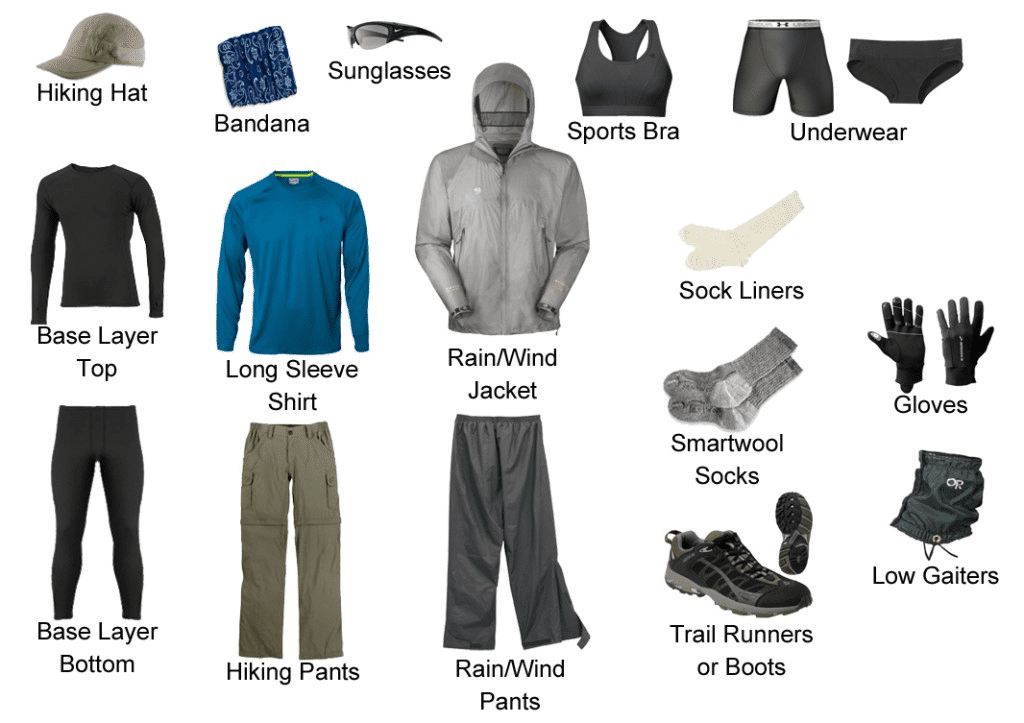
Clothes for Trekking in Rainy Season – Choose Wisely
Carry comfortable trekking clothes while trekking during monsoon
Wear comfortable trekking clothes while on a trek, monsoon or non-monsoon. It is, at all times, best to choose lightweight and quick-dry Gore-Tex trekking pants or rain pants. You can also opt for nylon ones if Gore-Tex is way over your budget. DO NOT go for cotton pants and tees as they fall in the category of hard-to-dry clothes, increasing the odds of hyperthermia. You can also choose three-fourths or convertibles over long pants to avoid mud stains and splashes. Then again, you’d have to know the terrain and its vegetation well before you move ahead with these.
Trekking Outfit Female Monsoon – Quick-Dry is Key
For women trekkers, the same principles apply but with added considerations. Choose water-resistant and quick-dry fabrics like polyester and nylon. These materials prevent you from staying wet for long periods and keep your body temperature regulated. Avoid cotton at all costs – it absorbs moisture and takes forever to dry, which can lead to discomfort and even hypothermia in cooler conditions.
Consider layering with:
- Quick-dry base layers (synthetic or merino wool)
- Water-resistant or waterproof mid-layers
- Breathable outer shells
- Convertible pants that can be adjusted based on terrain and weather
Waterproof Rain Jacket or Ponchos and Rain Covers for Backpacks
Be it packing for a monsoon trek in the Western Ghats, or a few days of the trek where the sky may burst open unannounced, it is always better to be on the safer side and pack a waterproof rain jacket or a poncho.
Why ponchos are superior for trekking: A high-quality poncho offers better coverage than rain jackets – extending below your waist and large enough to cover your backpack, keeping both your body and gear dry simultaneously. Most quality ponchos are durable enough to withstand heavy rainfall, offer better ventilation without restricting movement, and are lightweight.
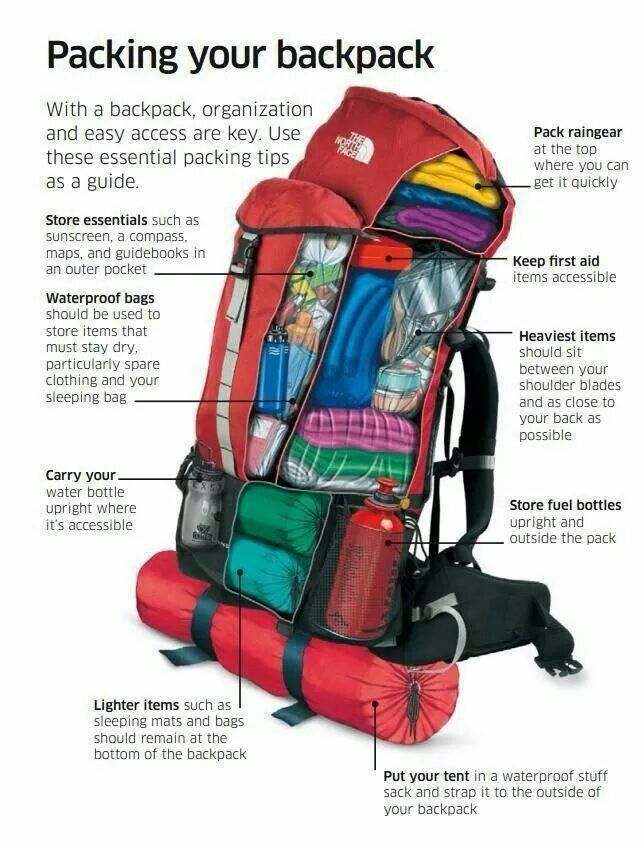
You can also carry a baseball cap, especially recommended for people with glasses, to ward off (to an extent) rain from your eyes. It is not just you that requires to be kept away from getting drenched. Carry rain covers for your bag as well, cover them up before you start on the trek. Now, during a monsoon trek, it is advised to pack frequently used items together, outside. You may also use plastic bags to segregate the items.
Extra Clothes and Towels
Always carry towels and extra easy-to-dry clothes. Leave a pair at your campsite. Change into these as soon as you reach your camp, avoid sleeping in wet clothes. A microfiber cloth can be handy for quick drying of gear and clothes.
Trek Insight: The Kumara Parvatha Trek is often called Karnataka’s toughest trek! If you’re prepping your stamina this monsoon, this trail is the ultimate test for your fitness and grit.
MONSOON TREKKING SHOES AND FOOTWEAR GUIDE
Waterproof Footwear with Good Grip
Getting the right pair of monsoon trekking shoes – ones with good grip (like Vibram soles) is quite important for hiking during the rainy season. You can go for either waterproof shoes or really good campus trekking shoes as per your trek trail requirement. Look for boots that are specifically water-resistant or waterproof to keep your feet dry in heavy downpours and muddy conditions.
Monsoon treks usually come down with a great toll on our feet. Let’s face it, even if our shoes are water-resistant our feet would end up a little wet. This, in turn, would affect your skin, causing it to itch and finally would lead to blisters. We can prevent our feet’s natural oils by applying Vaseline before going off to bed. Also, make it a point to let your feet breathe in-between the trek. You can also carry along amphibian sandals or comfortable slippers.
Extra Pairs of Socks – A Must-Have
Admit it, how much ever you try to dodge and duck, your feet are going to get splattered. It is always advisable to carry a few extra pairs of socks, including spare socks for emergencies. You may even leave a dry pair at the campsite so that you wouldn’t have to walk around with wet ones on.
Pro tip: Consider investing in waterproof socks. These are designed with three layers that make them durable, stretchable, and keep your feet dry even in the wettest conditions.
MEDICINES – MONSOON TREK PRECAUTIONS

Antibiotics – A Must on Your Monsoon Trek Checklist
No one knows your body better than you do. Hence it is mandated that you carry those tablets which you feel would come in handy. Pack anti-bacterial and anti-fungal creams as well. Anti-bacterial cream protects the skin from bacterial infections that may be caused due to rain, while anti-fungal cream protects from any fungus due to rainwater exposure.
Mosquito Repellent and Salt for the Leeches
The green covers, fast-falling milky waterfalls, playing in puddles, alluring indeed. Apart from tourists, the rainy season plays host to mosquitoes, leeches, and other creepy-crawlies.
In the monsoon season, the chances of mosquito bites are significantly higher. Cases of malaria and dengue increase during this time, which is why carrying mosquito repellent is absolutely essential for your safety.
I still remember the time I did my forest trek in search of Neelakurinji at Munnar. That’s when I figured out the inverse lure-law; the more you try to evade leeches, the more you attract! Sprinkling salt helps detach the leeches. But this is not recommended as there are chances that the leech sting might remain. This, in turn, would lead to a skin infection. Instead, sprinkle Dettol-water mix, odomos, or tobacco-coconut oil mix.
Turmeric and Coconut Oil
Is the leech bite itching badly? It does happen, at times, that the leech marks start to itch and the urge to scratch creeps in. That is when you can apply coconut oil or Aloe Vera cream to get relief from that burning sensation. Also, apply turmeric after freshening up as this helps in quicker clotting of blood.
Hand Sanitizer, Lip Balms, and Sunscreens
Put a pocket-sized bottle of hand sanitizer in your rucksack while packing for your monsoon trek. It is quite obvious that you’d be ‘in-touch’ with who-knows-what-all while trying to grab on to something for support to playing with local dogs and cats to giving all sorts of poses for Instagrammable pictures. You can also pop in a bottle of sunscreen and lip balm if you have sensitive skin.
Snacks and Water to Carry During a Monsoon Trek
An empty stomach is not what you’d want to have during your treks, be it monsoon or not. Always keep your power packs and water handy.

Hydration Pack and Reusable Water Bottle
Even during rain trekkers are supposed to drink a good amount of water to keep themselves hydrated. A hydration pack can be very convenient during your trek. Monsoon is the time when water-borne diseases spread. Take utmost care while refilling bottles. Carry with you durable filter bottles and try to restock them from known sources only. A reusable water bottle is not only eco-friendly but also practical for long treks.
Dry Fruits, Biscuits/Cookies, Bananas
Trekkers should take care to carry those munchies rich in carbohydrates. Consider packing some electrolyte drinks to replenish minerals lost through sweating.
Noodles or Bread – Avoid Frozen Food & Fizzy Drinks During a Monsoon Trek
If your trek lasts more than a day, you may also carry packets of instant noodles or bread. Try to avoid fizzy drinks like coke during your trek.
CAMPING IN THE RAIN – Monsoon Trek Tips
Are you planning a few days of camping in the rain? Well then, don’t forget these in the rush… Apart from the ones mentioned above, here is a small checklist for camping in the rain:
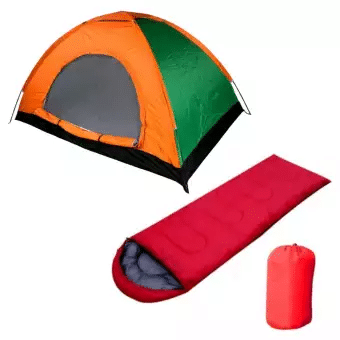
Waterproof Tents and Sleeping Bags for a Monsoon Trek
Always double check if your tents are waterproof before heading out for a monsoon trek. Don’t forget to zip in your tent to avoid creepy-crawlies from getting in. Also, double-check all the nook and crannies for any unwanted visitors awaiting your return. Consider using a sleeping bag liner for extra warmth and cleanliness.
Clothes/Shoe Fresheners
We are talking about trekking and camping out in the rain here. Let’s face it! You are bound to get wet at some point in time. And believe me when I say that neither damp clothes nor shoes smell good. Be on the safer side and pack shoe/clothes fresheners. You can also dump in a lightweight, portable clothesline as well.
Let Your Gear Breathe After the Rain
After trekking through rain-soaked trails, you need to let your gear dry out properly to avoid the growth of bacteria, mould, or even bad odours that develop while gear is still moist. Moreover, moisture trapped inside clothes can cause skin irritation, blisters and chills if the trek is at a higher altitude. Wait for the rain to subside and for sunlight to appear. If your backpack has gotten wet, first unpack everything from it, then dry it in broad sunlight.
Collect Dry Firewood Well Before for Your Monsoon Trek
What’s a camp without a campfire and the spooky stories to go around? Put a reminder to self to get kindling’s up and ready well before the downpour. To help set up a campfire in monsoon, you may also read more on how to keep a campfire burning even during rains. Keep fire starters dry in waterproof containers to ensure you can light a fire when needed.
PS: Finally, different treks have different rules. Respect thedo’s and don’ts of trekking. Well, that’s all for the monsoon trekking tips for now.
Having a hard time figuring outthe best monsoon treks from Bangalore? We’ve got you covered
MONSOON TREK ESSENTIALS – QUICK CHECKLIST 
Final Tips for Successful Monsoon Trekking
Different treks have different rules. Respect the do’s and don’ts of trekking. Remember these key principles:
- Double-seal critical items – Use multiple layers of protection for electronics, documents, and items sensitive to moisture
- Pack with accessibility in mind – Keep frequently used items in outer pockets and accessible areas
- Balance your backpack weight – Place heavier, wet items closer to your back and lighter items toward the top
- Check weather forecasts religiously – Monitor conditions 4-5 days before and during your trek
- Let your gear breathe – Always dry out equipment properly to maintain hygiene and extend gear life
Well, that’s all for the monsoon trekking tips for now. Having a hard time figuring out the best monsoon treks from Bangalore? We’ve got you covered!