“If there is heaven, it is there… it is there.”
Emperor Jahangir whispered those words about Kashmir centuries ago. And three weeks ago, standing at 13,750 feet on Gadsar Pass with seven turquoise alpine lakes sparkling below me, I finally understood what he meant.
My hands were numb, my legs screaming for rest, and I’d just trekked 11 kilometers through terrain that tested every ounce of my fitness. But as I watched the sun paint those pristine lakes in shades I didn’t know existed, tears streamed down my face.
This wasn’t just another trek. This was the Kashmir Great Lakes Trek—and it had just redefined everything I thought I knew about beauty.
Two months earlier, I was scrolling through Instagram (as one does at midnight) when a friend’s story stopped me cold. Seven alpine lakes. Rolling meadows that rival Switzerland. Snow-capped peaks reflected in crystal-clear waters. And the caption: “If you only do one trek in your life, make it KGL.”
That’s when the questions started flooding in:
How difficult is the Kashmir Great Lakes Trek really? Can a beginner like me actually do this? What’s the cost? Do I need a guide? Which month should I go?
If you’re reading this with the same burning questions and a mix of excitement and anxiety, you’re exactly where I was. And I’m about to save you weeks of research by giving you everything you need to know about trekking through what many call India’s most beautiful trek.
What Makes Kashmir Great Lakes Trek So Special?
Before we dive into the practical details, let’s talk about why this trek has earned cult status among trekkers worldwide.
The Kashmir Great Lakes Trek—officially known as the Sonamarg-Vishansar-Naranag Trek—is a high-altitude alpine Himalayan trek located in the Kashmir Valley, renowned for its pristine alpine lakes, lush meadows, snow-capped mountains, and gushing freshwater streams.
Here’s what sets it apart: It is the only trek in the Himalayas that combines three high-altitude passes, five river valley crossings, and seven stunning alpine lakes, each displaying mesmerizing shades of green, blue, and turquoise—all within an exhilarating 7-8 day journey!
Think about that for a second. SEVEN alpine lakes. Each one more stunning than the last. Each one surrounded by landscapes that make you question if you’ve accidentally walked into a screensaver.
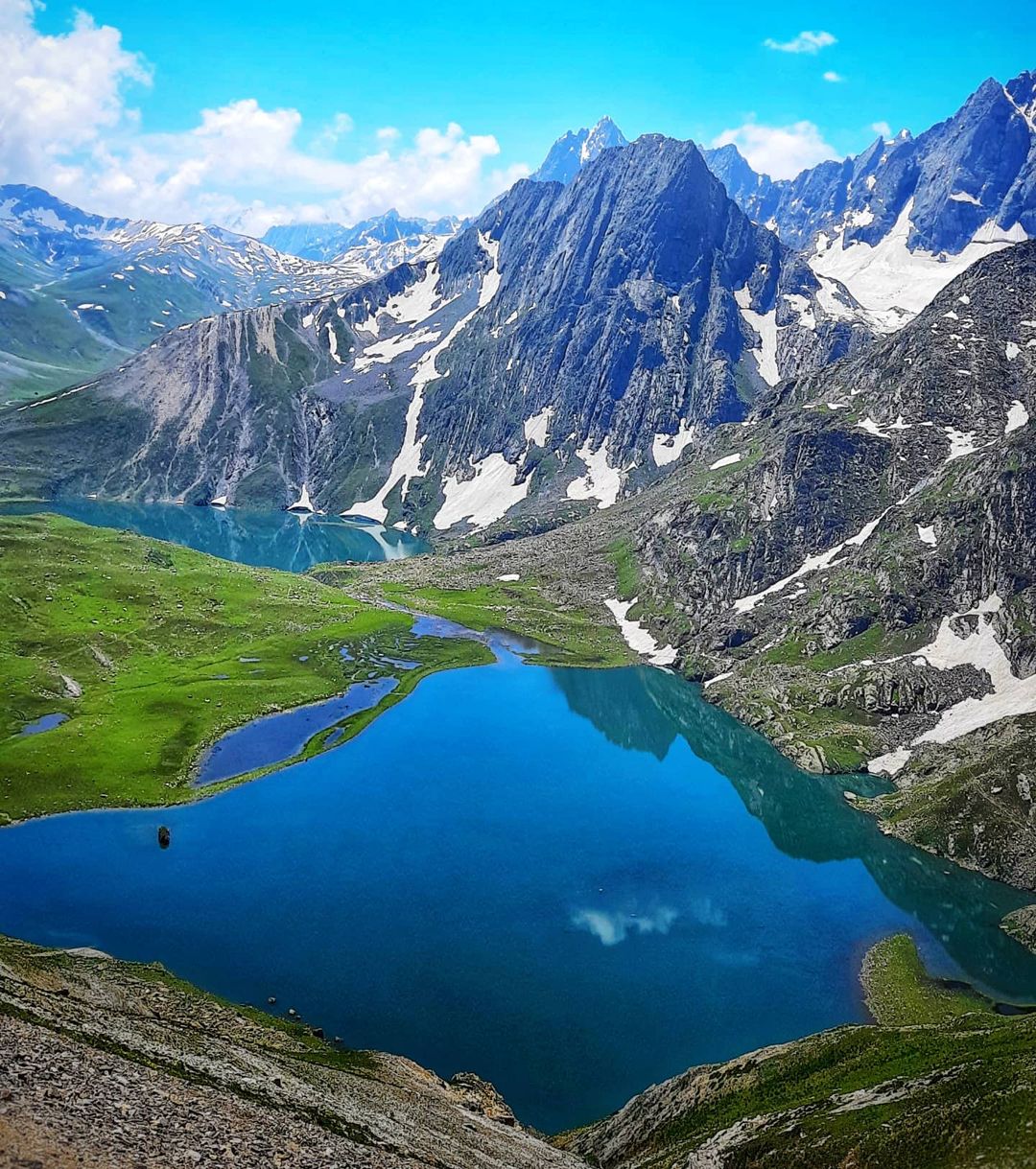
The lakes you’ll encounter include Krishnasar, Vishnusar, Gadsar, Satsar, Nandkol and Gangabal—large alpine lakes that change color as the day progresses, creating a spectacle that photographers dream about.
Starting from Shitkadi near Sonamarg, the trek leads through dense pine forests, wide meadows, and slightly challenging mountain passes like Nichnai Pass and Gadsar Pass, with trails adorned by wildflowers, streams, and rocky terrains that keep the journey exciting every single day.
How Difficult is the Kashmir Great Lakes Trek?
Alright, let’s address the elephant in the meadow. This is probably your biggest concern, and rightfully so.
The straightforward answer: The KGL trek is considered moderately difficult to difficult, requiring good physical fitness as the trail involves long walking hours, steep ascents, descents, and high-altitude passes.
But what does that actually mean in practical terms?
Breaking Down the Difficulty Factors
Distance and Duration
The trek is approximately 74 kilometers long and takes 7-8 days to complete the entire route (duration can be extended with a buffer day for unforeseen weather conditions). Each day varies in length, covering on average around 10–12 km daily for 6 to 7 hours, with some moderately challenging terrain sections.
Let me be real with you: These aren’t leisurely 10-kilometer strolls. You’re covering that distance on uneven terrain, sometimes in rain, often at altitude where every breath requires conscious effort.
Altitude Challenges
The highest altitude reached is approximately 13,750 feet at Gadsar Pass. Kashmir Great Lakes starts at around 2,700m (Shitkadi), and it’s only after three days of trekking that you reach the highest altitude at Gadsar Pass, located at 4,200m.
The good news? This gradual ascent helps with acclimatization, though you need to follow the instructions your trek leader provides to finish without any hiccups.
Terrain Variety
The trek involves steep ascents and descents, boulder sections, rocky trails, and great variation in altitude across different landscapes. One day you’re walking through lush pine forests, the next you’re boulder-hopping across mountain passes, and then you’re traversing meadows so vast they make you feel like an ant.
Weather Unpredictability
The monsoon season brings frequent rain showers that make narrow trails slippery and muddy, reducing friction and requiring more force to keep trekking. Sometimes unpredictable rain showers make it challenging to reach campsites on time.
The Real Challenge
Long trekking days, challenging terrain, steep ascents and descents, and no easy exit points increase the difficulty, making it a thoroughly comprehensive fitness challenge.
What This Means For You
If you’re sitting there thinking “Okay, this sounds intense but is it REALLY that hard?” let me give you the unvarnished truth:
Days 1-2: You’ll feel good. Excited. Taking tons of photos. “This isn’t so bad!” you’ll think.
Days 3-4: Reality hits. Your legs are sore. The altitude is noticeable. Gadsar Pass looms ahead. This is where mental strength matters more than physical.
Days 5-6: You’ve found your rhythm. Your body has adapted. You’re in the zone.
Day 7: Victory lap. You’re descending, and every step reminds you that you actually did this incredible thing.
We give you reasons why you must trek the Kashmir Great Lakes!
1. Step outside amid the fragrant pine tree forest-
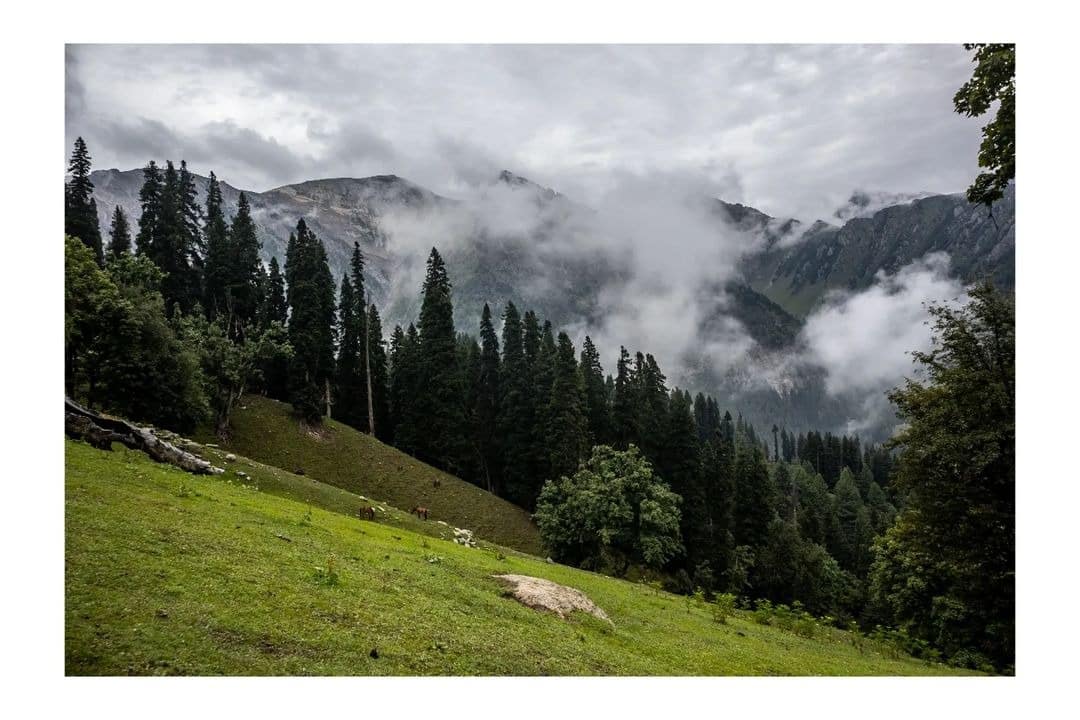
One of the reasons to undertake Kashmir Great Lakes is the vista you get when going down from Gangbal to Naranag, which seems to be an unending walk. Your mind will be compelled to withdraw back to the realm of its own musings since the valleys seem to be so tranquil and the smell of the pine trees is so reviving. Rarely are things so challenging to describe and so difficult to experience.
2. From Gadsar Pass, you can see Five Lakes-
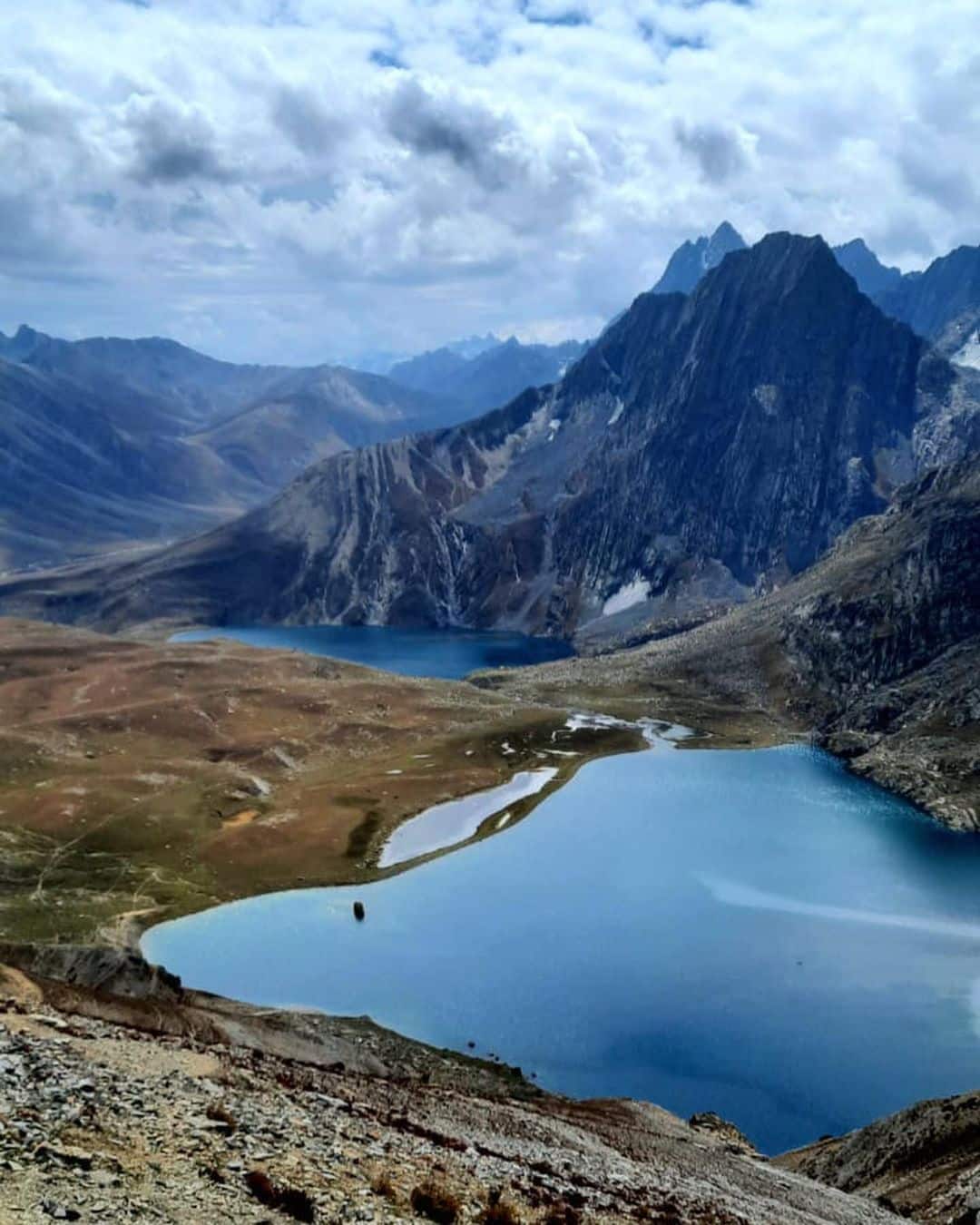
When you reach Gadsar Mountain, you can see the Vishansar as well as Kishansar Lakes on the left side of the pass and three of the Gadsar Lakes on the right. One’s eyesight is undoubtedly pampered by the sight of wildflowers set against a backdrop of snow-capped mountains, but that’s not all. There are several such little lakes along the route to the Satsar camping area.
3. Visit the Dal Lake at Srinagar-
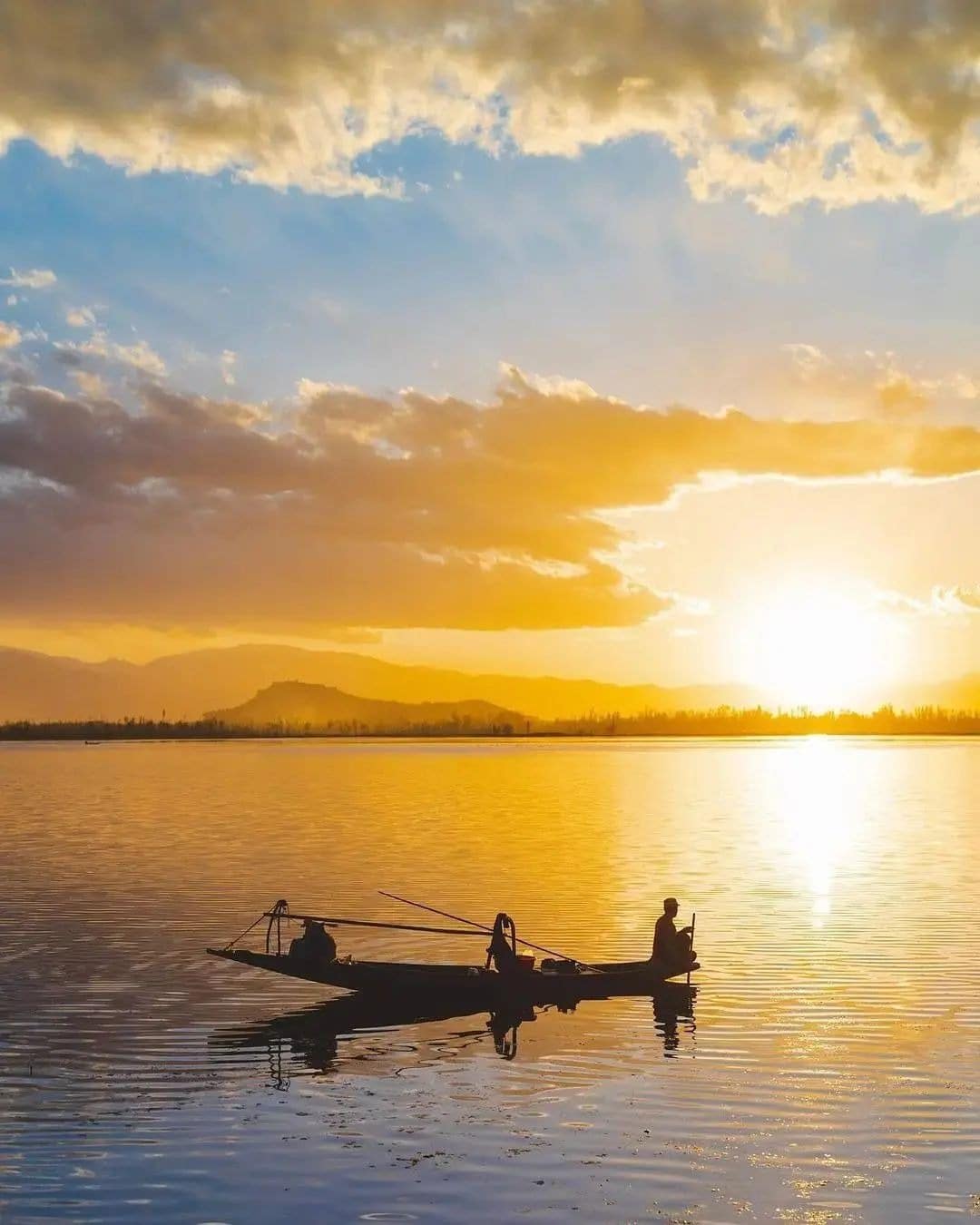
A must-do activity in Kashmir is to see Dal Lake. On the final day of the walk, arrive in Srinagar and retire to your houseboat to enjoy the vibrant colours of the setting sun. Enjoy the local cuisine at floating eateries, try the multicourse “Wazwan” feast for non-vegetarians, and pick up some trinkets at the floating market.
4. The Kashmiri Culture-
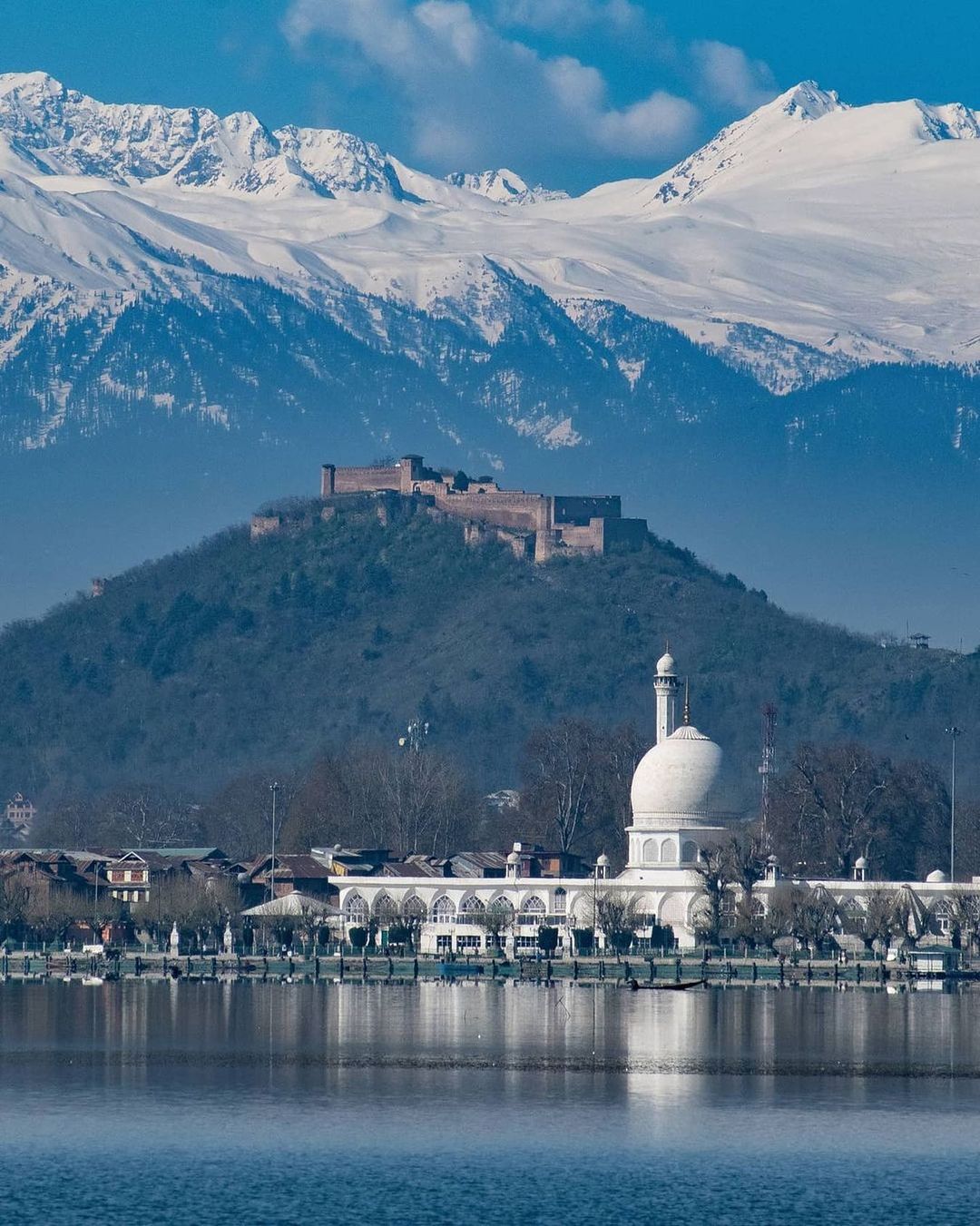
Appreciate building relationships with the local guides; they have a wealth of anecdotes of how Kashmir was dominated by Buddhists, then by Hindus, and lastly by Mughals, referring to its contemporary Mughal influence, to share. On the route, chat with the locals and enjoy the hospitality of the shepherds. Compared to what you will encounter when visiting the city, I imagine the mountain chats will be very different.
5. It is a modest hike that is suited for everybody-
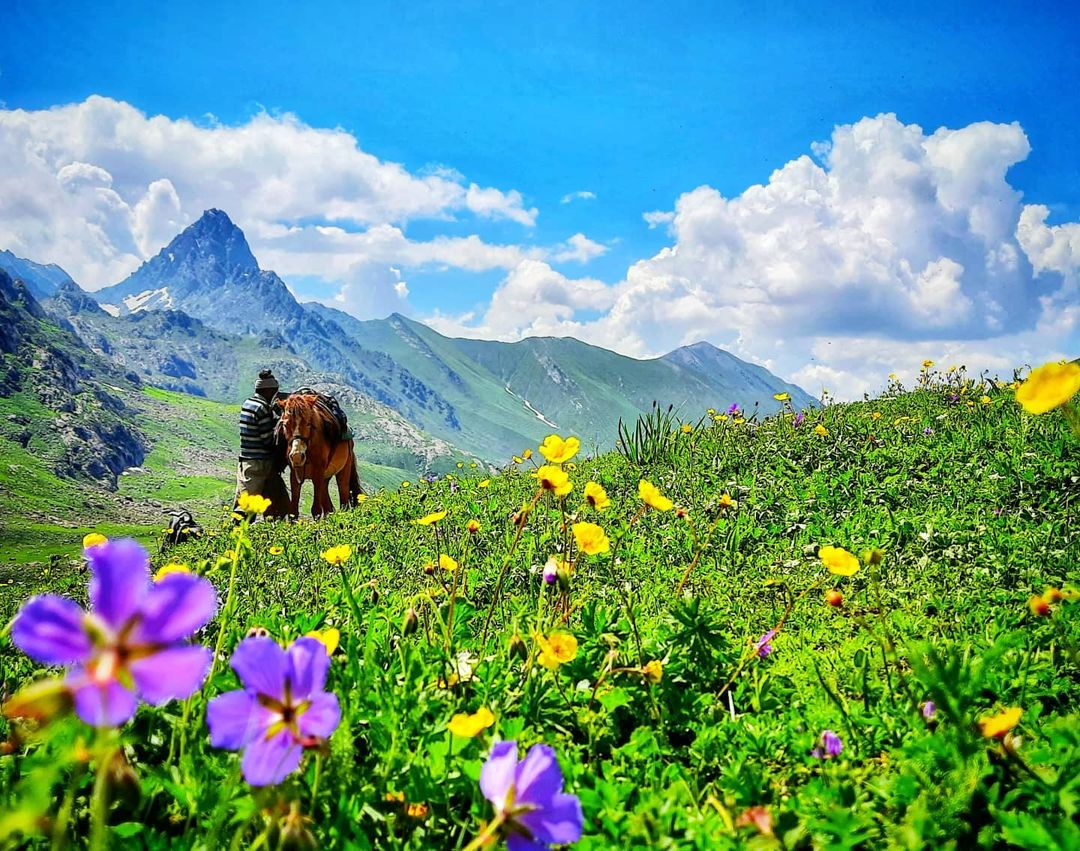
The Kashmir Lake walk is rated as being a moderate trek. Although there is no mountaineering, there are a few places with moderately steep inclines and boulder crossings. Since there are no simple exits due to the trail’s three mountainous terrain, the difficulty level increases from beginning to moderate.
Another benefit of the walk is that it is helpful in terms of safety. Although the campgrounds are all located at lower altitudes, a majority of the mountains have maximum elevations of 14000 feet. This is the reason the hike is quite safe and the required AMS preparation measures are also performed.
These were some of the reasons that we have stated. What are you waiting for? Book your Kashmir Great Lakes Trek with us right now! Limited slots only.
Read More:
Can Beginners Do the Kashmir Great Lakes Trek?
This is where opinions get interesting, and I want to give you the complete picture.
The Optimistic View:
Beginners with good preparation can complete this trek successfully, and it’s an excellent choice for beginners looking to advance their Himalayan trekking experience. If you are a beginner planning this trek, you should focus on three things: physical fitness (maintaining basic fitness without obesity or medical ailments), mental fitness (coming with an open mindset ready for harsh conditions), and proper gear.
The Realistic View:
Considering its rocky trails and great variation in altitude, it is not recommended for absolute first-timers, though beginners with good physical fitness can plan the hike under the guidance of an experienced trekker.
Here’s my take after doing the trek and meeting dozens of fellow trekkers: Yes, beginners CAN do this trek, but…
The “But” is Important
You need to honestly assess:
Your Current Fitness Level
Can you walk/jog 5 km comfortably? Can you climb stairs for 30 minutes without gasping? If yes, you have a foundation to build on.
Your Preparation Time
Make sure to prepare at least 6 weeks in advance, practicing walking 3 to 4 km daily, maintaining a regular exercise routine, and following a healthy diet and water intake while abstaining from smoking and drinking.
Your Mental Resilience
Physical fitness gets you to the pass. Mental strength gets you over it. There WILL be moments when you want to quit. Can you push through?
Your Prior Experience
Have you done any multi-day treks before? Even a 2-day trek at lower altitude helps you understand camping life, carrying a backpack, and walking for extended periods.
My Recommendation for True Beginners
If the Kashmir Great Lakes Trek is your first-ever trek, I’d suggest doing one easier Himalayan trek first—maybe Kedarkantha or Triund—to understand what multi-day trekking feels like. Then tackle KGL.
If you’re determined to make KGL your first trek? Go for it, but give yourself 8-12 weeks to prepare seriously. And definitely go with an organized group and experienced guides (more on that later).
What Fitness Level is Required for Kashmir Great Lakes Trek?
Let’s get specific about fitness requirements because “be fit” is advice that helps exactly nobody.
The Official Requirements
For moderate-difficult level treks like this, you should be able to cover a distance of 4.5 kilometers in less than 40 minutes to develop the necessary stamina and strength.
The fitness standards include being able to jog 5 km in under 30-40 minutes or cycle 18 km in 50 minutes, with trekkers needing sufficient stamina to cover these distances without stress.
The Practical Training Plan
8-12 Weeks Before Your Trek:
Cardiovascular Endurance (Most Important)
Try jogging for at least five days every week, starting with 2 km if 5 km is too difficult at first, and gradually increase over 2-3 weeks.
Start with: 2-3 km jogs, 3-4 times per week
Progress to: 5 km jogs, 5 times per week
Goal: Comfortably jog 5 km in under 40 minutes
Strength Training
Strong cardiovascular endurance, muscular strength, and overall fitness are required, with exercises focused on increasing strength, stability, and stamina to tackle difficult terrain at high altitudes.
Focus on:
- Squats and lunges (for leg strength)
- Calf raises (for ankle stability)
- Planks and core work (for backpack carrying)
- Step-ups (simulates uphill trekking)
Altitude Simulation
Carry a backpack (5–7 kg) during hikes to simulate trek conditions, include stair climbing or incline walking for leg strength and endurance, practice slow steady pacing to prepare for high-altitude walking, and add yoga or stretching for flexibility and balance.
The Medical Reality Check
People suffering from Bronchitis, Asthma, High blood pressure, Epilepsy, TB, Heart problems, or those with higher BMI are strictly not allowed to go on any Himalayan trek. If you have any medical history, please consult with your doctor and inform your trek operator.
While there is no strict age limit, participants should be in good physical health and should acclimatize properly to the high altitudes, with medical consultation recommended before joining, especially if you have any pre-existing medical conditions.
How Much Does the Kashmir Great Lakes Trek Cost?
Let’s talk money because budget planning is crucial.
Package Costs
Kashmir Great Lakes Trek cost varies from ₹15,000 to ₹18,000 depending on the group size and the time of year you’re planning to do it.
The all-inclusive bundle comes at a fixed price of ₹16,500 per person with most reputable operators.
What’s Typically Included
The bundle includes accommodation, meals, guide fees, permits, 7 nights of tented accommodation on twin sharing, freshly cooked vegetarian meals, trek equipment (sleeping bag, tents), amenities (utensils, sleeping mattresses, crampons, gaiters), health and safety equipment (first aid box, oxygen cylinders, stretchers, oximeters, BP machines), and trek crew (high altitude chef, helpers).
What’s NOT Included
Personal expenses such as trekking gear, insurance, or any additional activities are not covered.
Additional costs to budget for:
- Transportation: Transportation from Srinagar to trek start point and back (₹1,500/person typically)
- Offloading charges: ₹2,800/person if you choose to offload your backpack for the full trek duration
- Insurance: Mandatory adventure insurance for 7-8 days (₹650/person typically), required by tourism department for trek permission
- Personal gear: ₹5,000-10,000 if buying new (boots, jacket, trekking poles, etc.)
- Travel to Srinagar: Flight costs vary (₹3,000-8,000 typically)
- Pre/Post trek accommodation in Srinagar: ₹800-2,000 per night
Total Realistic Budget
Budget Traveler: ₹22,000-28,000 ($260-330)
Mid-Range Traveler: ₹30,000-40,000 ($350-470)
Comfortable Traveler: ₹45,000+ ($530+)
Pro tip: Being a very popular trek, there are many companies which sell this trek online but only few companies are actual service providers. Research thoroughly and book with established operators like Indiahikes, Trek the Himalayas, Bikat Adventures, or Plan The Unplanned.
Which Month is Best for the Kashmir Great Lakes Trek?
Timing can make or break your experience. Here’s everything you need to know about seasonality.
The Trekking Season
The best time for the KGL trek is from July to September. This is the only trek in the Himalayas that looks most ravishing and outstanding in the peak Monsoon Season.
Wait, monsoon trekking? Isn’t that counterintuitive?
Here’s the magic: While other regions of India such as Himachal Pradesh and Uttarakhand are almost closed due to heavy rainfall, the region where this trek is located receives less rainfall and has perfect weather conditions for trekking.
Month-by-Month Breakdown
July: The Beginning
- Trail just opens after winter snow melts
- Slightly more challenging with lingering snow patches
- Fewer crowds
- Wildflowers begin blooming
- Temperature: 10-15°C day, 0-5°C night
- Occasional rain showers
August: The Peak (My Recommendation)
- This is when plants, flowers, and lakes flourish as they receive rain, resulting in mesmerizing and colorful views sprawling wide
- Meadows at their greenest
- Lakes at fullest capacity
- Most vibrant wildflower displays
- Pleasant weather with manageable rain
- More trekkers (but not overcrowded)
- Best overall conditions
September: The Golden Window
- Post-monsoon freshness
- Clear skies and excellent visibility
- Less rain, more stable weather
- Starting to get colder, especially at night
- Autumn colors beginning
- Slightly drier conditions
Weather Expectations
The weather is pleasant with bright summer skies during the day and pleasant nights, with average temperature ranging from 10-15 degrees in the day to 0-5 degrees at night.
During the day the temperature varies from 10 to 18 degrees, and during the night it varies from 8 to 0 degrees.
But here’s the important part: Although these are the months with favorable weather conditions, there is also high chance of rain and occasional showers, so make sure you carry a poncho or raingear to protect you.
When NOT to Go
The trek is closed outside July-September. The weather in winter sees the mountains covered in spotless white snow, making it inaccessible in winters.
Is the Kashmir Great Lakes Trek Open? (Current Status 2025)
This is crucial for planning, especially given Kashmir’s unique situation.
Trek Status and Security
Security concerns and government orders often lead to last-minute cancellations in Jammu & Kashmir. While all preparations are made to run the trek, it cannot be guaranteed that the trek will run.
As of November 2025, the trek is operating normally during the July-September season. However, you should:
- Book with reputable operators who provide cancellation protection
- Consider the Indiahikes Shield or similar protection where you can avail a return of your full trek fee by paying a small additional charge to protect against uncertainties
- Stay updated on current situation through official sources
- Have backup trek options in mind
Permits and Documentation
You need to obtain a permit from local authorities to undertake the trek, and insurance is mandatory for trekking in Kashmir—the tourism department will not issue any permission without insurance and a medical fitness certificate.
The good news? Reputable operators arrange permits on your behalf as part of the package.
Required documents:
- Government-issued photo ID
- Medical fitness certificate
- Adventure insurance policy
- Passport-size photographs (2-3 copies)
Can We Do the Kashmir Great Lakes Trek Without a Guide?
Short answer: Technically possible, but absolutely not recommended.
Here’s why:
The Practical Challenges
Navigation Difficulties
The trail isn’t always clearly marked, especially across vast meadows and mountain passes. One wrong turn can add hours or put you in danger.
Permit Issues
Due to the difficulty of the route and the requirement of trail permits, it is important to join trekking groups organized by reputable companies.
Safety Concerns
This is a high-altitude trek reaching more than 13,000 feet a total of three times, which brings concerns about altitude sickness, plus long walking days, challenging terrain, and boulder sections require a comprehensive approach to safety.
Logistical Nightmare
You’d need to:
- Arrange all camping equipment
- Plan and carry 7-8 days of food
- Handle waste disposal in ecologically sensitive areas
- Navigate permit requirements alone
- Have emergency backup plans
What You Gain With a Guide/Group
Trekup India and similar operators have trek leaders qualified in Wilderness first-aid with complete information about high-altitude challenges, carrying a full first-aid kit with essential medicines, along with safety equipment like microspikes, emergency bottled oxygen, daily pulse oximeter readings, and radio walkie-talkies for safety communication.
The value proposition is clear:
- Safety: Trained guides, medical support, emergency protocols
- Navigation: No getting lost, optimal route selection
- Logistics: Meals, camping, permits all handled
- Knowledge: Learn about the region, flora, fauna, history
- Social: Trek with like-minded people, make lifelong friends
- Support: Someone to help when you’re struggling
My Strong Recommendation
This is the kind of trek we do not recommend going solo, especially if you’re a beginner or doing KGL for the first time.
The cost difference between going solo and joining a group isn’t significant enough to justify the risks and hassles. Plus, some of my best memories from the trek came from bonding with fellow trekkers around campfires, sharing struggles, and celebrating summit moments together.
Book Your Trek Here
We hope this post will push you out of your comfort zones. Share pictures later. Also, let us know if any of your queries did not get answered