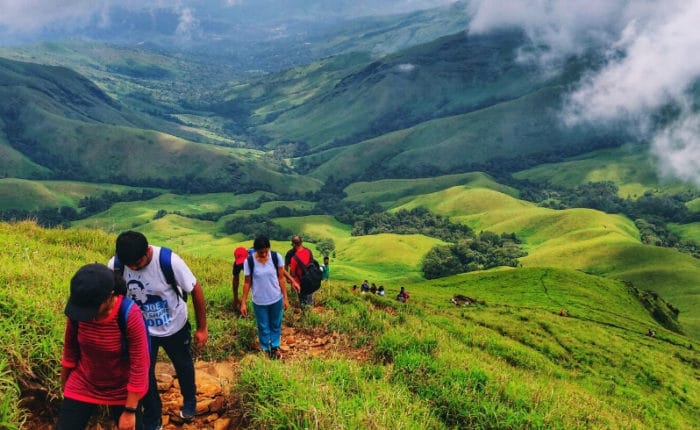
Bandaje Falls Trek (Bandaje Arbi Falls): Complete Guide to Karnataka’s Hidden Gem
Hey there, adventure seekers!
Ever wondered what it feels like to trek through dense forests, wade through streams, and finally stand before a breathtaking waterfall that feels like it’s yours alone?
That’s exactly what awaits you at Bandaje Falls.
Tucked away in the Western Ghats of Karnataka, this hidden gem is calling your name. And trust me, it’s worth every muddy step.
Let me walk you through everything you need to know about the Bandaje Falls trek – from how to get there to what makes it so darn special.
Ready? Let’s dive in.

What Makes Bandaje Falls Trek Special?
Here’s the thing about Bandaje Falls – it’s not your typical tourist spot.
You won’t find crowds of selfie-takers here. No vendors selling corn on the cob. No paved pathways.
Just you, nature, and one of Karnataka’s most stunning waterfalls.
The falls cascade down from a height of about 200 feet, creating a misty paradise that’s especially magical during the monsoon season. The water pools at the bottom, forming a natural swimming spot that’s perfect for a refreshing dip after your trek.
But what really sets this trek apart?
It’s the journey itself.
You’ll cross multiple streams (sometimes waist-deep), navigate through thick forests, and experience the raw beauty of the Western Ghats in its most pristine form. The biodiversity here is incredible – if you’re lucky, you might spot exotic birds, butterflies, and maybe even some shy forest creatures.
Plus, there’s something deeply satisfying about trekking to a place that requires actual effort to reach. It makes that first glimpse of the waterfall so much more rewarding.
Bandaje Falls Trek Distance, Route & Duration
Let’s get into the specifics.
Trek Distance: Approximately 14-16 km (round trip)
Duration: 6-8 hours (depending on your fitness level and weather conditions)
Starting Point: Bandaje village near Ujire
Here’s how the route typically goes:

Phase 1: Bandaje Village to Forest Entry (2 km)
You’ll start from Bandaje village with a relatively easy walk through open terrain and small settlements. Use this time to warm up those legs.
Phase 2: Forest Trail (4-5 km)
This is where things get interesting. You’ll enter dense forest territory with narrow trails, slippery rocks, and the first set of stream crossings. The path isn’t always clearly marked, so going with a guide or experienced group is highly recommended.
Phase 3: Stream Crossings (Multiple)
Throughout the trek, you’ll cross the same stream several times. During monsoon, these crossings can be challenging with water levels rising above your knees or waist. Some crossings require you to hold onto rocks or ropes for support.
Phase 4: Final Approach to Falls (Last 1 km)
The terrain gets steeper here. You’ll hear the waterfall before you see it – that’s when the excitement really kicks in.
Pro tip: Most trekkers prefer to start early morning (around 6-7 AM) to complete the trek before it gets too hot and to have enough time to enjoy the falls.
Bandaje Falls Trek Difficulty Level
Let’s be real here.
This isn’t a walk in the park. But it’s also not Everest.
Difficulty Rating: Moderate to Difficult
Here’s why:
What makes it challenging:
- Multiple water crossings that can be tricky, especially during monsoon
- Uneven, slippery terrain with lots of rocks and roots
- No clear markers in many sections
- Steep climbs in certain portions
- High humidity and heat (if trekking outside monsoon)
- Total distance requires decent stamina
Who can do this trek:
- Beginners with basic fitness levels (but expect to be challenged)
- Anyone comfortable with getting wet and muddy
- People without serious knee or ankle issues
- Those with a moderate sense of adventure
Who might struggle:
- Complete beginners who’ve never trekked before
- Anyone with mobility issues
- People who panic in water
- Those expecting a casual, easy trail
My advice? If you’re new to trekking, start training a few weeks before. Do some cardio, strengthen those leg muscles, and maybe try a couple of easier treks first.
But honestly, the sense of achievement when you reach those falls? Totally worth the effort.
Location & District Details
Let’s pinpoint where this beauty is located.
State: Karnataka
District: Dakshina Kannada
Nearest Town: Ujire (approximately 6-7 km from trek starting point)
Region: Western Ghats
The falls are situated in the Charmadi Ghat region, which is known for its lush greenery and biodiversity. This area is part of the larger Western Ghats mountain range – a UNESCO World Heritage Site, by the way.
Geographical coordinates: Approximately 13.1°N latitude and 75.2°E longitude
The location is pretty remote, which is exactly what gives it that untouched, pristine feel. You’re deep in coffee plantation territory here, surrounded by hills covered in dense forest.
How to Reach Bandaje Falls Trek Starting Point

Alright, so you’re convinced. You want to do this trek.
Now, how do you actually get there?
By Air
Nearest Airport: Mangalore International Airport (approximately 70 km away)
From the airport, hire a taxi or take a bus to Ujire. The drive takes about 2-2.5 hours through scenic Western Ghats roads.
By Train
Nearest Railway Station: Kabaka Puttur Railway Station (about 30 km away)
From there, you can catch a local bus or hire a taxi to Ujire. Alternatively, Mangalore Junction is a major railway hub and better connected (about 60 km away).
By Road
From Bangalore: Approximately 270-290 km (6-7 hours drive)
Route: Bangalore → Hassan → Ujire → Bandaje Village
From Mangalore: Approximately 60 km (1.5-2 hours drive)
Route: Mangalore → Dharmasthala → Ujire → Bandaje Village
From Mysore: Approximately 190 km (4-5 hours drive)
Route: Mysore → Hassan → Ujire → Bandaje Village
Local Transport to Trek Base
Once you reach Ujire:
- Hire a local jeep or auto to Bandaje village (about 6-7 km)
- Private vehicles can go up to the village, but a 4WD is recommended during monsoon
- Many trek organizers provide transportation from Ujire to the starting point
Important: The road to Bandaje village passes through coffee plantations and can be rough, especially during rains. Regular cars might struggle, so jeeps are your best bet.
Highlights of Bandaje Arbi Falls Trek
What makes this trek absolutely unforgettable?
Let me break it down:
1. The Waterfall Itself
A spectacular 200-foot cascade that’s particularly powerful during monsoon. The sight and sound of water thundering down is mesmerizing. You can swim in the pool at the base (carefully!) or just sit on the rocks and soak it all in.
2. Stream Crossings
Sure, they’re challenging, but they’re also incredibly fun. There’s something childlike about wading through streams, holding hands with fellow trekkers, and laughing when someone almost slips.
3. Dense Forest Canopy
The trek takes you through thick, pristine forests where sunlight filters through the leaves in the most magical way. It’s like walking through nature’s own cathedral.
4. Biodiversity
The Western Ghats are a biodiversity hotspot. Keep your eyes peeled for:
- Exotic bird species
- Colorful butterflies
- Various medicinal plants
- Occasional wildlife sightings (from a safe distance!)
5. Photography Opportunities
If you’re into photography, bring a good camera (in a waterproof bag). The play of light in the forest, the cascading water, misty landscapes – every turn offers a new shot.
6. The Sense of Adventure
This isn’t a commercialized trek. There are no cafes or shops along the way. It’s pure, unadulterated adventure – just you and nature.
7. Local Culture
Interacting with villagers in Bandaje gives you a glimpse into rural Karnataka life. These communities have lived in harmony with the forest for generations.
Best Time to Visit Bandaje Falls Trek
Timing is everything with this trek.
Here’s the complete breakdown:
Monsoon Season (June to September)
Why it’s the best:
- The waterfall is at its most powerful and spectacular
- Lush green landscapes everywhere
- The trek is most challenging (if you like that!)
- Perfect weather – cool and pleasant
Things to consider:
- Water crossings can be dangerous due to high water levels
- Slippery trails require extra caution
- Leeches are common (more on this in safety tips)
- Trek might be closed during heavy rainfall
My take: If you’re an experienced trekker who loves the thrill of monsoon treks, this is THE time to go.
Post-Monsoon (October to November)
Why it’s great:
- Waterfall still has good flow
- Weather is pleasant
- Trails are less slippery
- Fewer leeches
- Crystal clear views
My take: This is the sweet spot for most trekkers – you get the beauty without the extreme challenges.
Winter (December to February)
Why it’s decent:
- Comfortable weather
- Easier trail conditions
- Good visibility
The downside:
- Waterfall flow reduces significantly
- Less dramatic scenery
- Can get quite warm during the day
Summer (March to May)
Why you might want to skip:
- Waterfall is often reduced to a trickle
- Very hot and humid
- Less scenic
When it works: If you’re more interested in the trek itself rather than the waterfall, and you want an easier water crossing experience.
My recommendation: Plan your trek between June and November for the best experience. If you’re a beginner, October-November is ideal.
Bandaje Falls Trek Safety & Tips
Let’s talk safety, because this trek can be risky if you’re not prepared.
Essential Safety Guidelines
1. Never Trek Alone Seriously, don’t. The trail isn’t always well-marked, and mobile signals are weak or non-existent. Go with a group or hire a local guide.
2. Check Weather Forecasts Heavy rainfall can make the trek dangerous. If there’s a heavy rain warning, postpone your trek. Flash floods in streams are a real risk.
3. Wear Proper Footwear Forget your regular sneakers. You need:
- Trekking shoes with good grip
- Or sports sandals that can get wet (like Keens or Tevas)
- Avoid slippers – you’ll slip and potentially hurt yourself
4. Watch Out for Leeches Monsoon = leeches. Lots of them.
- Wear full-length pants tucked into socks
- Apply tobacco or salt on your socks
- Carry salt with you to remove leeches
- Don’t panic if one latches on – they’re mostly harmless
5. Be Careful at Water Crossings
- Test the depth with a stick before crossing
- Cross at the widest, shallowest point
- Link arms with other trekkers for stability
- If the water is too high, turn back
6. Respect the Waterfall
- Don’t swim if you’re not a confident swimmer
- Stay away from the direct cascade – the force can be dangerous
- Watch out for slippery rocks around the pool
What to Carry
Essentials:
- At least 2-3 liters of water per person
- Energy snacks (nuts, chocolate, energy bars)
- First aid kit (band-aids, antiseptic, pain relievers)
- Waterproof bag for electronics and clothes
- Extra pair of clothes in a waterproof bag
- Torch/headlamp (if you might return after dark)
- Mobile phone (even if there’s no signal, useful for emergencies/photos)
Optional but Recommended:
- Trekking pole for stability
- Leech-proof socks
- Power bank
- Camera in waterproof casing
- Hat or cap
- Sunscreen and insect repellent
Important Don’ts
- Don’t litter (carry all trash back with you)
- Don’t venture off the trail
- Don’t drink stream water without purifying
- Don’t disturb wildlife or plants
- Don’t trek during heavy rains
- Don’t underestimate the trek – start early and give yourself plenty of time
Emergency Contacts
- Save local emergency numbers before you start
- Inform someone not on the trek about your plans
- Note the location of nearest medical facilities (Ujire has a primary health center)
Where to Stay Near Bandaje Falls
You’ll need a place to crash before or after your trek.
Here are your options:
In Ujire (7 km from trek start)
Budget Options:
- Local lodges and guest houses (₹500-1000 per night)
- Basic amenities, clean rooms
- Good for solo trekkers or groups on a budget
Why stay here: It’s the closest town with decent facilities. You can start your trek early in the morning.
In Dharmasthala (25 km away)
Temple Town with Good Infrastructure:
- Multiple budget and mid-range hotels (₹800-2500 per night)
- Better food options
- The famous Manjunatha Temple is here if you’re interested
Why stay here: More accommodation choices, better connected by road.
In Mangalore (60 km away)
All Comforts Available:
- Budget hostels to luxury hotels (₹500-5000+ per night)
- Best food and shopping options
- Good for extending your trip
Why stay here: If you’re flying in/out of Mangalore, makes sense to stay the night before or after your trek.
Homestays in Surrounding Areas
Local Experience:
- Coffee estate homestays in the region (₹1500-3000 per night)
- Authentic local food
- Peaceful, scenic locations
Why stay here: If you want to experience local culture and support local communities. Some homestays can even arrange guides for your trek.
Camping Options
Some trek organizers offer:
- Camping near the base or at scenic spots along the route
- Tents and basic facilities provided
- Great if you want the full adventure experience
My recommendation: If you’re doing this as a day trek, stay in Ujire the night before. Start at dawn, complete your trek, and either head back the same evening or stay another night to rest those tired muscles.
Ready to Conquer Bandaje Falls?
Look, I’ll be straight with you.
The Bandaje Falls trek isn’t the easiest. You’ll get wet, muddy, tired, and probably a bit scared at some of those water crossings.
But here’s what else you’ll get:
A sense of achievement that comes from pushing your limits. Memories of standing before a roaring waterfall in the middle of a pristine forest. Stories to tell for years.
And isn’t that what adventure is all about?
So pack those bags, lace up those trekking shoes, and get ready for one of Karnataka’s most rewarding treks.
The Western Ghats are calling.
Will you answer?
Have you done the Bandaje Falls trek? I’d love to hear about your experience in the comments below. And if you’re planning to go, drop your questions – I’m here to help!
Happy trekking, and stay safe out there! ️✨