Let me be honest with you.
When I first heard about Leh Ladakh, I thought it was just another overhyped tourist destination. You know, the kind Instagram influencers flock to for those “double-tap worthy” shots.
But here’s the thing: I was completely wrong.
Ladakh isn’t just beautiful. It’s the kind of place that fundamentally changes how you see the world. And if you’re reading this, you’re probably wondering whether it’s worth the hype (spoiler: it absolutely is) and how to actually plan a trip there without emptying your bank account.
So let’s dive in.
What Makes Leh Ladakh So Special?
Ladakh, famously called the “Land of High Passes,” is now a Union Territory on its own. It used to be part of Jammu and Kashmir, but trust me, this place is in a league of its own.
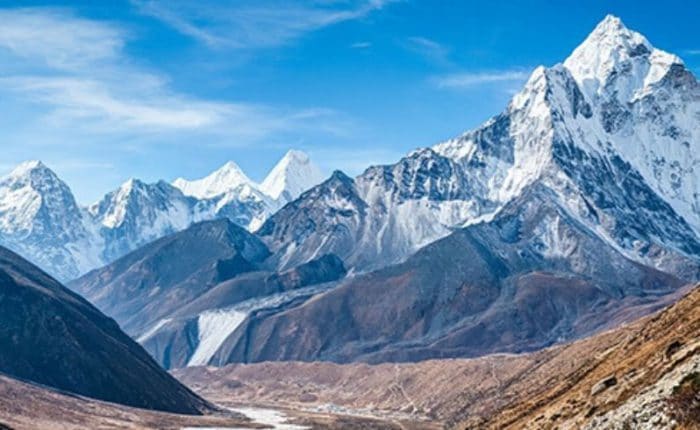
Picture this: snow-capped peaks stretching as far as your eyes can see, crystal-clear lakes that look like they’ve been Photoshopped (but haven’t), ancient monasteries perched on hilltops, and a culture so rich it’ll make you want to stay forever.
The Indus River flows through Ladakh, connecting historic towns like Leh, Shey, and Basgo. To the north, you’ve got the massive Karakoram Range separating you from China, and stretching from Siachen Glacier to the Great Himalayas.
But enough geography. Let’s talk about why you should actually go there.
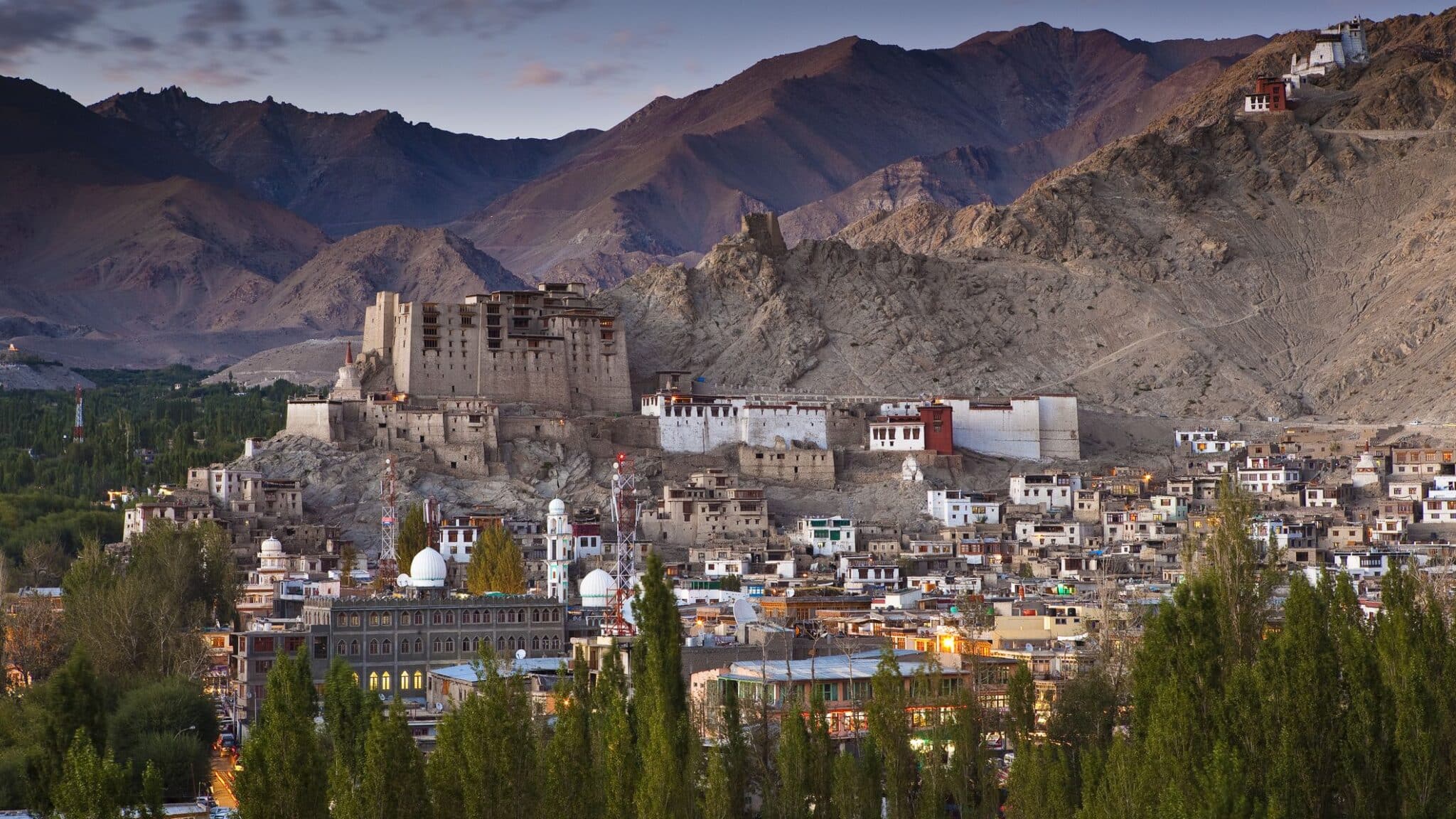
Ladakh, often known as the “Land of High Passes,” is currently a distinct Union Territory; in the past, it was a part of the state of Jammu and Kashmir. The lovely Indus River pours out across Ladakh, and it stretches from Siachen to the Great Himalayas in the north. Famous places that you could visit when travelling to Ladakh include Shey, Leh, and Basgo, which are all located along the river. Ladakh is bordered from China’s borders by the Karakoram Range. The regional capital of Ladakh is Leh.
Ladakh has a certain enchantment to it. With its allure, extensive cultural legacy, and surreal natural beauty, it is a mysterious region that attracts travellers. Ladakh is a slice of paradise on earth with its snow-capped peaks, sparkling lakes, gushing rivers, picturesque valleys, colourful gompas, and amazing flora and animals. Here are some arguments to persuade you to travel to Ladakh immediately if you haven’t yet had the privilege of seeing the region of high passes.
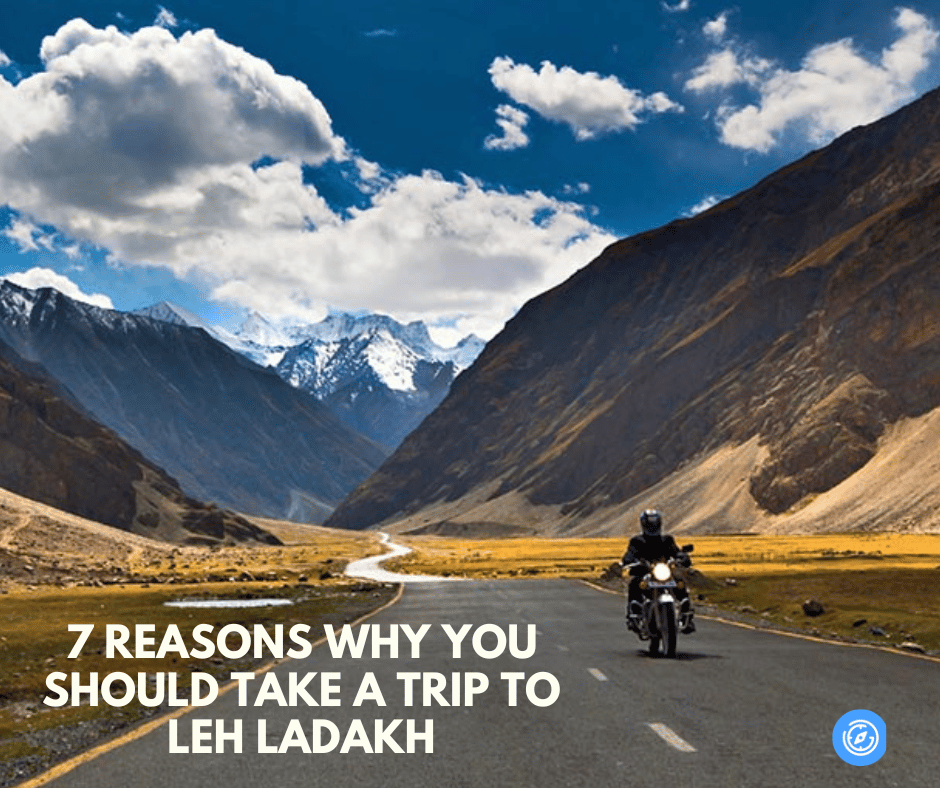
Save this list for later.
We bet you can’t ignore the blue skies and golden monasteries. We promise you that Ladakh is much more than that!
1. The possibility of joining in trekking adventures
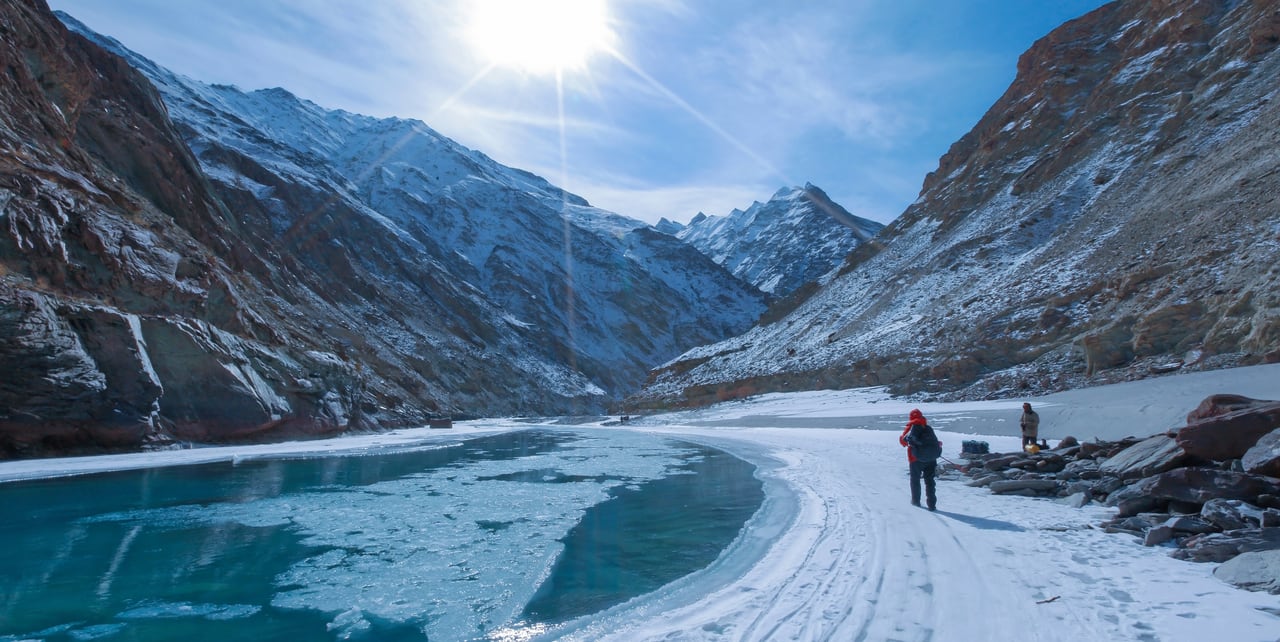
The majority of the hiking trails are accessible from April through October. The best times to go on a higher altitude trip are in May and June. However, you should be aware that certain locations need a government agency’s permission to be visited. Your travel agent can assist you in obtaining permission. Undoubtedly one of the most challenging and risky treks in the world is the Chadar walk over Zanskar Lake. Trekking during the winter may be more difficult since the Zanskar Lake freezes.
2. You will never stop being amazed by the vibrant traditional celebrations even at this height!
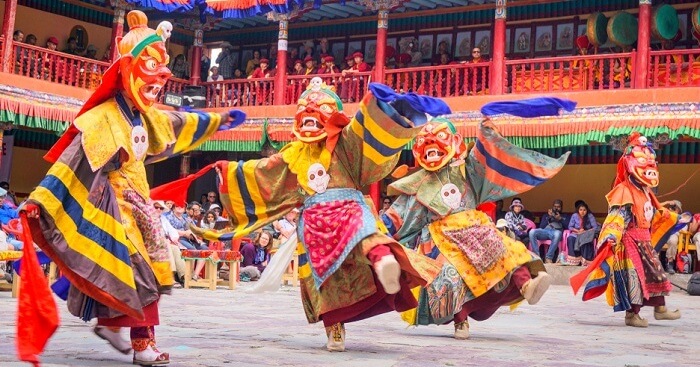
Here is where the renowned annual Hemis Festival is held. Traditional masked dances are done throughout this celebration.
You must also go to the Spituk Gustar festival. The traditional masked dancing events are attended by the locals. A few more well-known festivals are those held at the Stok Monastery, the Matho Monastery, and the Senior Lamas-Dosmoche Festival.
3. Traditional and historic stupas, gompas and monasteries
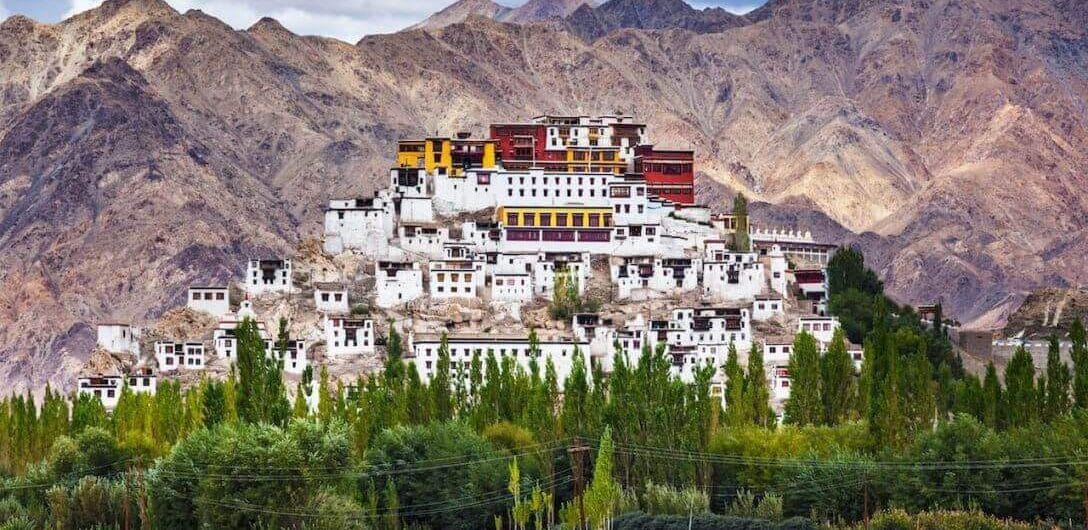
The Thiksey Monastery has the biggest gompa in central Ladakh. It includes a Maitreya Buddha statue that is 49 feet tall as well as numerous frescoes and murals. The monastery at Alchi, Stok, Shey, and Spituk are a few other well-known ones in this region.
These monasteries and stupas are ancient enough to convey information about Buddhist history and culture. They keep priceless Buddhist treasures, historical armour, and thangkas in their facilities.
4. Gratify your appetite

Every time you travel to a new location, it is important to become familiar with the local cuisine. When visiting Ladakh, you may sample dishes from nearby nations in addition to the native fare.
You may also sample Tibetan and Nepalese cuisine, such as momo, thukpa, butter tea, and pink tea, in addition to Indian cuisine. Chutagi, the local cuisine’s hallmark dish, is something you should eat while you’re here. It is a sort of vegetable-dumpling soup, and that alone should be enough to convince you to travel to Leh-Ladakh.
5. Discover exotic wildlife
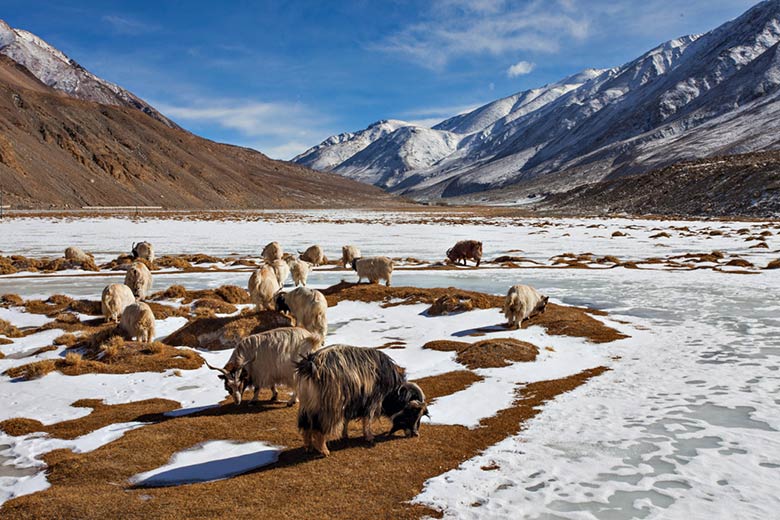
Ladakh’s environment gives it the ideal habitat for some of the rarest animal species. In Ladakh, you may see some of the world’s most unusual plants and animals if you’re a fan of the natural world. Some of the wild animals that live in Ladakh’s higher elevations are mountain wolves, Tibetan hares, golden eagles, and snow leopards. In Hemis National Park, you may see snow leopards and other unusual wildlife that are unique to Ladakh.
6. Several activities for the daring
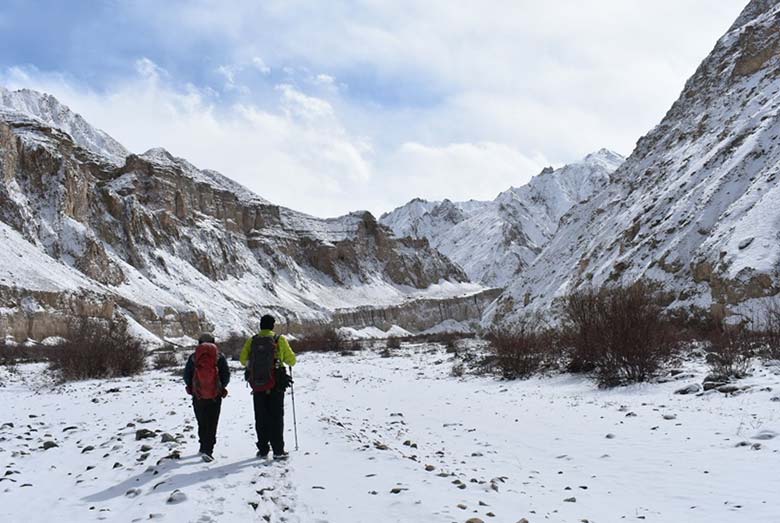
Ladakh is the ideal location if you desire adventure. The activities available in Ladakh are numerous. Given the variety of hikes available, it is a trekker’s delight. Several examples are the Ripchar Valley Trek, the Snow Leopard Trek, the Markha Valley Trek, and the Lamayuru to Chilling Trek. In addition to hiking, Ladakh offers a wide range of other adventurous pursuits. Jeep safaris, hiking, river rafting, star-gazing camping, and other activities are available.
7. To put it simply, Leh Ladakh is the Land of High Passes
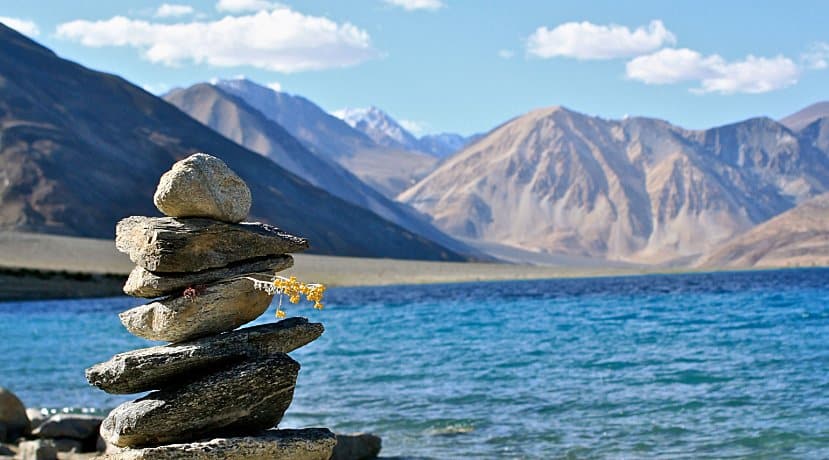
Khardung La Pass, one of the highest motorable roads in the world, is located at a height of around 5492 metres (almost 18000 feet). The Shyok and Nubra valleys may be reached through Khardungla as well.
This pass is often on visitors’ must-see lists when they visit Leh and must be crossed if you are doing a road trip to Ladakh. The Kullu valley is connected to the Lahaul and Spiti valleys by the Rohtang Pass. Although this pass is completely covered in snow throughout the winter, it springs to life from mid-June to mid-August.
Best Time to Visit Leh Ladakh
Okay, so you’re convinced. Now comes the big question: when should you actually go?
The answer depends on what you want to experience.
Summer (May to September): Peak Season
This is when most people visit, and for good reason.
Why it’s great:
- Clear roads and accessible passes
- Pleasant weather (15-30°C during the day)
- All attractions are open
- Perfect for sightseeing and trekking
The downside:
- Crowded tourist spots
- Higher prices for everything
- Need to book accommodations well in advance
Best for: First-timers, families, photography enthusiasts
Winter (October to April): For the Brave
Winter in Ladakh is not for everyone. Temperatures can drop to -20°C or lower. But if you can handle extreme cold, you’ll be rewarded with experiences few travelers get to have.
Why it’s special:
- The famous Chadar Trek (January-February)
- Fewer tourists means authentic experiences
- Dramatic, snow-covered landscapes
- Significantly cheaper prices
The challenge:
- Many roads and passes are closed
- Limited accommodation options
- Flights can be cancelled due to weather
- Serious risk of altitude sickness in extreme cold
Best for: Hardcore adventurers, Chadar Trek enthusiasts, budget travelers who can handle harsh conditions
The Sweet Spot: June-July and September
If you want to avoid the extremes, these months offer the best balance. The weather is pleasant, most attractions are accessible, and the crowds are slightly smaller than peak summer.
How to Reach Leh Ladakh
You’ve got three main options, each with its own pros and cons.
By Air (The Fastest Way)
Leh’s Kushok Bakula Rimpochee Airport has direct flights from Delhi, Mumbai, Srinagar, and Chandigarh.
Flight time from Delhi: About 1.5 hours
Pros:
- Saves massive amounts of time
- No risk of road closures
- Comfortable journey
Cons:
- More expensive (₹5,000-15,000 depending on season)
- Your body gets zero time to acclimatize
- You’ll need 24-48 hours of rest upon arrival to avoid altitude sickness
Pro tip: Book flights at least 2-3 months in advance for better prices. And seriously, don’t skip the acclimatization period. Altitude sickness is no joke.
By Road from Manali (The Scenic Route)
The Manali-Leh highway is about 475 km and typically takes 2 days with an overnight stop in camps or Sarchu.
Open season: Mid-May to October
Pros:
- Spectacular mountain views
- Gradual acclimatization
- Adventure experience
- More affordable than flying
Cons:
- Road conditions can be challenging
- Weather-dependent
- Physically demanding
- Takes 2-3 days
Cost: ₹10,000-20,000 for a shared taxi, more for private vehicles
By Road from Srinagar (The Alternative)
The Srinagar-Leh highway is about 420 km, also taking 2 days.
Open season: April to November (stays open longer than Manali route)
Pros:
- Opens earlier and closes later than Manali route
- Relatively better road conditions
- Beautiful scenery
Cons:
- Similar challenges to Manali route
- Still requires acclimatization stops
Sample 6-Day Leh Ladakh Itinerary
Let me give you a realistic itinerary that actually works.
Day 1: Arrival and Acclimatization
Don’t be a hero.
I know you’ll be excited, but this day is all about rest. Check into your hotel, drink lots of water, and take it easy.
Walk around Leh market in the evening if you’re feeling okay, but avoid any strenuous activity. Seriously. Altitude sickness can ruin your entire trip.
Day 2: Leh Local Sightseeing
Start with nearby attractions to continue acclimatizing:
- Shanti Stupa: Stunning white Buddhist monument with panoramic city views
- Leh Palace: Historic 17th-century palace (mini Potala Palace vibes)
- Hall of Fame: Military museum honoring Indian soldiers
- Magnetic Hill: The “gravity-defying” road (it’s an optical illusion, but fun!)
These spots are relatively low-altitude and perfect for day two.
Day 3: Nubra Valley via Khardung La
This is where the real adventure begins.
Drive over Khardung La Pass (18,380 feet) to reach Nubra Valley. The views are absolutely insane.
Once in Nubra Valley:
- Ride double-humped Bactrian camels in Hunder sand dunes
- Visit Diskit Monastery with its 106-foot Buddha statue
- Stay overnight in a camp or guesthouse
Distance: ~120 km, 5-6 hours
Day 4: Nubra to Pangong Lake via Shyok
Take the scenic Shyok route to Pangong Tso (yes, the lake from “3 Idiots”).
The lake is absolutely surreal—crystal blue water surrounded by barren mountains. The color changes throughout the day, so stick around for a few hours.
Stay overnight in camps near the lake. The night sky here is incredible.
Distance: ~150 km, 6-7 hours
Day 5: Pangong to Leh via Changla Pass
Wake up early to catch sunrise over the lake (trust me on this).
Return to Leh via Chang La Pass (17,590 feet), one of the highest motorable passes. Stop at:
- Changla Cafeteria (world’s highest cafeteria) for chai
- Thiksey Monastery
- Shey Palace
Distance: ~160 km, 6-7 hours
Day 6: Departure
Depending on your flight time, you might have a few hours for last-minute shopping in Leh market.
Pick up some Tibetan handicrafts, pashmina shawls, or local jewelry as souvenirs.
Popular Places and Activities You Can’t Miss
Beyond the itinerary above, here are some other incredible spots:
Tso Moriri Lake
Less crowded than Pangong but equally beautiful. If you have extra time, this is worth the detour.
Lamayuru Monastery
Known as the “Moonland” of Ladakh due to its unique lunar-like landscape. The monastery itself is one of the oldest in the region.
Zanskar Valley
For serious adventurers only. Remote, challenging to access, but absolutely spectacular.
River Rafting on Zanskar River
Available from July to August. Rapids range from Grade 1 to Grade 3, suitable for beginners to intermediate rafters.
Bike Trip
Many travelers rent Royal Enfield motorcycles in Manali or Srinagar and ride to Leh. It’s an epic adventure but requires good riding skills and preparation.
How Much Does a Leh Ladakh Trip Cost?
Let’s talk money. Here’s a realistic breakdown:
Budget Trip: ₹15,000-25,000 per person
- Shared transportation
- Budget guesthouses (₹500-800/night)
- Local food at dhabas
- Minimal activities
- Travel by road from Manali/Srinagar
Mid-Range Trip: ₹30,000-50,000 per person
- Mix of shared and private transport for key routes
- Decent hotels (₹1,500-3,000/night)
- Mix of local and tourist restaurants
- Most popular activities included
- Possibly one-way flight
Luxury Trip: ₹60,000+ per person
- Round-trip flights
- Premium hotels and camps (₹4,000+/night)
- Private vehicles throughout
- All activities and experiences
- Better meals and comfort
Cost breakdown:
- Accommodation: ₹500-5,000/night depending on comfort level
- Food: ₹300-1,000/day
- Transportation: ₹10,000-20,000 for shared taxis, more for private
- Permits: ₹400-500
- Activities: ₹1,000-5,000 depending on what you do
- Flights: ₹5,000-15,000 one way
Which Is the Cheapest Month to Visit Leh?
October to March is significantly cheaper due to extreme cold and limited tourism. You’ll find:
- Hotel prices drop by 40-60%
- Fewer tourists means better negotiation power
- Flight prices are lower (though fewer flights operate)
But remember: Cheaper comes with trade-offs. Many attractions are inaccessible, weather is harsh, and you’ll need serious cold-weather gear.
Important Things You Need to Know
What Is the Oxygen Level in Leh?
At 11,500 feet, Leh has approximately 65-70% of the oxygen available at sea level.
This means:
- You WILL feel breathless initially
- Altitude sickness is a real risk
- Acclimatization is non-negotiable
- Stay hydrated (drink 4-5 liters of water daily)
- Avoid alcohol for the first 2-3 days
- Don’t overexert yourself initially
Symptoms of altitude sickness: Headache, nausea, dizziness, fatigue, difficulty sleeping
If symptoms worsen, descend immediately and seek medical help.
Which Month Has Snow in Leh?
Heavy snowfall typically occurs from December to February, with snow remaining on the ground until March-April.
You’ll also see snow at higher passes (Khardung La, Chang La) even during summer months.
For the famous Chadar Trek on frozen Zanskar River, January to mid-February is the only window.
How Expensive Is Leh?
Compared to most Indian tourist destinations, Leh is moderately expensive due to its remoteness. Everything needs to be transported from outside, which increases costs.
What’s expensive:
- Fuel (₹100-120/liter vs ₹90-100 elsewhere)
- Bottled water and packaged goods
- Transportation
- Permits for restricted areas
What’s reasonable:
- Local food at dhabas
- Basic guesthouses
- Shopping at local markets (if you bargain)
How to Plan Your Leh Ladakh Trip (Step-by-Step)
Let me break this down into actionable steps:
Step 1: Decide Your Travel Dates (3-6 months before)
Consider:
- Your vacation time
- Weather preferences
- Budget availability
- Crowd tolerance
Step 2: Book Flights/Transportation (2-3 months before)
- Book flights early for better prices
- If going by road, arrange vehicle bookings
- Check road opening dates for your planned route
Step 3: Plan Your Itinerary (2 months before)
- List must-visit places
- Calculate realistic travel times
- Build in rest days
- Don’t overpack your schedule
Step 4: Arrange Permits (1 month before)
You’ll need Inner Line Permits for:
- Nubra Valley
- Pangong Tso
- Tso Moriri
- Restricted border areas
Your hotel or travel agent can arrange these. You’ll need:
- Passport-size photos
- ID proof copy
- Details of places you’re visiting
Step 5: Book Accommodations (1 month before)
- Book Leh hotels in advance
- For camps in Nubra/Pangong, advance booking is recommended in peak season
- Keep some flexibility for weather changes
Step 6: Prepare Your Packing List (2 weeks before)
Essential items:
- Warm layers (even in summer, nights are cold)
- Sunscreen (SPF 50+)
- Sunglasses and hat
- Medications (especially for altitude sickness)
- Moisturizer and lip balm
- Power banks
- First-aid kit
- Water bottles (stay hydrated!)
Step 7: Physical Preparation (1 month before)
Start cardiovascular exercises to prepare your body. Even if you’re fit, the altitude will challenge you.
Final Thoughts: Is Leh Ladakh Worth It?
Here’s the truth: Leh Ladakh is not an easy destination. The altitude is challenging. The roads can be rough. The weather is unpredictable. It’s expensive compared to other Indian destinations.
But here’s the other truth: It’s absolutely, 100%, worth every bit of effort and every rupee spent.
There’s something about standing at 18,000 feet, looking at mountains that seem to touch the sky, breathing thin air, and feeling completely alive that changes you. It’s the kind of experience that stays with you forever.
The monasteries, the culture, the people, the landscapes—they’re not just beautiful. They’re profound.
So if you’re wondering whether you should go, stop wondering. Start planning.
Just remember to:
- Respect the fragile ecosystem
- Follow local customs
- Acclimatize properly
- Pack out what you pack in
- Support local businesses
Ladakh isn’t going anywhere, but it’s changing. Tourism is increasing. Climate change is affecting the region. The sooner you go, the more authentic your experience will be.
Now stop reading and start booking. Your Ladakh adventure awaits.
Have you been to Leh Ladakh? What was your favorite part? Drop a comment below—I’d love to hear your experiences and add more tips to this guide!