
Plan an Agumbe trip for nature lovers with our complete travel guide. Discover things to do in Agumbe, how to reach Agumbe from Bangalore, waterfalls, trekking trails, and the best Agumbe itinerary!
No more than a mere 3 to 4 square kilometers in size, Agumbe village in the Shimoga District (Malnad region of Karnataka) holds within itself a treasure trove of lush greenery, breathtaking monsoon vistas, gushing waterfalls, and abundant wildlife.
The key contributing factor to these natural marvels? The incessant rains Agumbe receives during monsoon season—the highest in all of South India—giving it the tag of ‘Cherrapunji of the South’.
But there’s more to this Agumbe travel guide than just rainfall statistics. Adding flavor to this rich biodiversity is simple village life untouched by the modern world, forming the backbone of this rustic setting and offering a truly immersive experience for travelers.
Best explored on foot, Agumbe with its maze of nature trails has pioneered rainforest conservation programs, trekking, and eco-tourism—making it a haven for nature enthusiasts and wildlife photographers alike.
Ready to plan an Agumbe trip for nature lovers? Here’s everything you need to know.
1. Drive to Kundadri Hill: Panoramic Western Ghats Views
Located roughly 16 kms from Agumbe village on the Theerthahalli-Agumbe road, Kundadri Hill is a gigantic monolithic rock surrounded by dense rainforest.
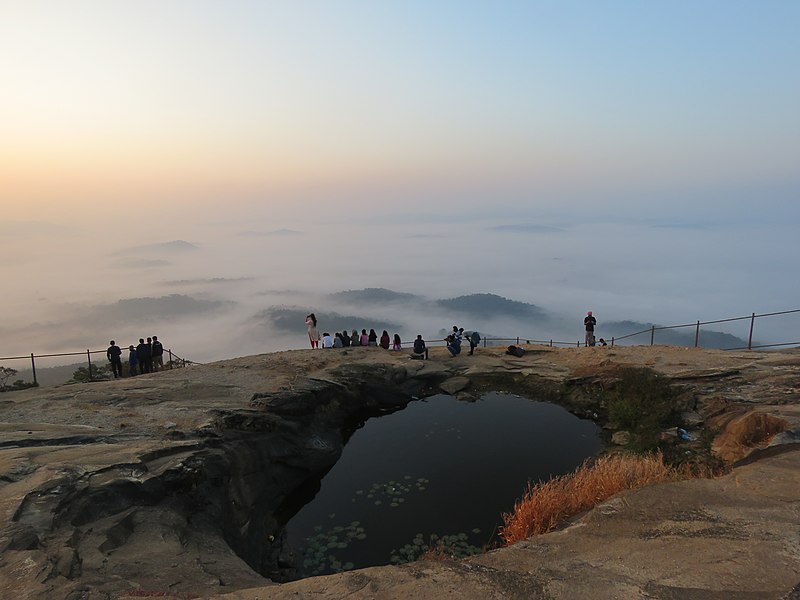
Highlights:
- 17th-century Jain temple at the summit
- Two small ponds with crystal-clear water
- 360-degree panoramic views of Western Ghats
- Exhilarating drive through thick jungle cover
- Winding roads with 14 hairpin bends
The Driving Experience: The scenic drive all the way to the top amidst thick jungle cover offers an exhilarating experience on the Agumbe ghat road. Full-size buses and trucks aren’t allowed on the hill—making it a peaceful drive for cars and two-wheelers.
Trek Option: You can also trek to the top (approximately 2-3 hours)
Important Note: Vehicles are restricted during certain times. Check local timings before visiting.
2. Watch the Sunset from Agumbe Sunset Point
Located on the Udupi-Agumbe road and a short walk from the village, Sunset Point forms the highest peak on the Western Ghats.
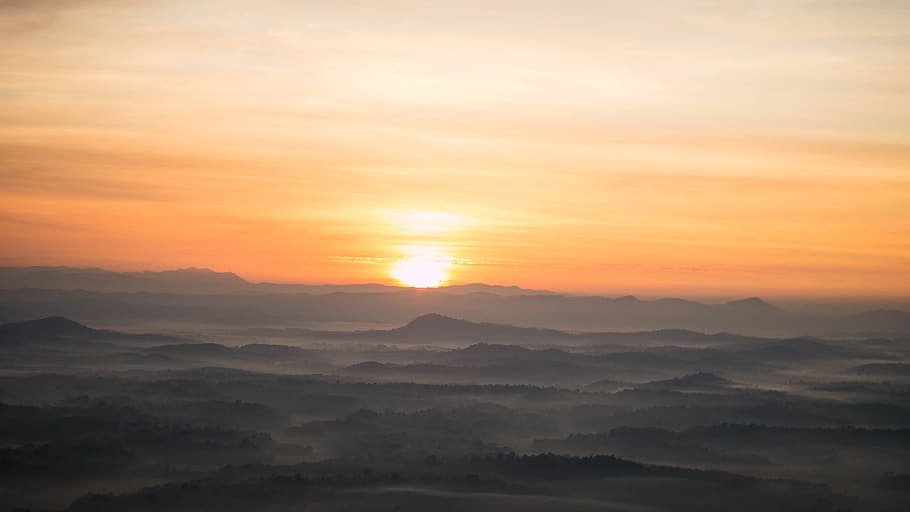
Why It’s Special:
- Panoramic view of sunset across the Arabian Sea
- 40 km clear line of sight
- Misty cliffs adding scenic beauty
- Dedicated viewing deck for visitors
- Ideal for photography and meditation
Best Time: 5:30 PM to 7:00 PM (varies by season)
Entry: Free
Distance from Village: 1 km (15-minute walk)
Pro Tip: Arrive 30 minutes before sunset to secure a good spot and watch the sky transform through multiple color palettes.
3. Visit the Ancient Gopalakrishna Temple
Built in the 14th century during the Hoysala period, the Gopalakrishna Temple is an ancient Hindu shrine dedicated to Lord Krishna located at Kabbinale village.
Features:
- Famous sculptures showcasing Hoysala artistry
- Typical Tulunadu style construction
- Inner sanctum surrounded by external hall
- Hilltop location offering valley views
Distance: 25 kms from Agumbe
Access: Only on foot from parking area
Timings: 7 AM to 7 PM daily
Best For: History buffs, architecture enthusiasts, spiritual seekers
4. Experience the 14 Hairpin Bends
Climbing up and down the Agumbe ghat requires negotiating 14 sharp hairpin bends—a thrilling experience for drivers and passengers alike.
What Makes It Special:
- Engineering marvel through mountain terrain
- Scenic views at every turn
- Watch expert local drivers carefully negotiate curves
- Full-size buses and trucks prohibited
Recommendation: Drive yourself if you’re confident, or take a ride in a local bus to watch skilled drivers navigate these challenging turns.
5. Boating at Agumbe Lake
A small lake near the forest check post offers boating facilities—perfect for a peaceful evening activity.
Details:
- Paddle boats and rowboats available
- Surrounded by forest cover
- Ideal for families
- Nominal charges apply
Agumbe Waterfalls: Complete Waterfall Hopping Guide
Things to do in Agumbe wouldn’t be complete without exploring its magnificent waterfalls. Within a 5-20 km radius, you can experience several pristine cascades.
1. Barkana Falls: India’s 10th Highest Waterfall
At a height of about 850 feet, Barkana Falls (also known as Barkana Waterfall) ranks as the tenth highest waterfall in India.
Details:
- Originates from the Seeta River (Seetha River)
- Requires adventurous trek through dense rainforest
- Usually covered as part of Narasimha Parvatha trek
- Trek leads to the origin point above the valley
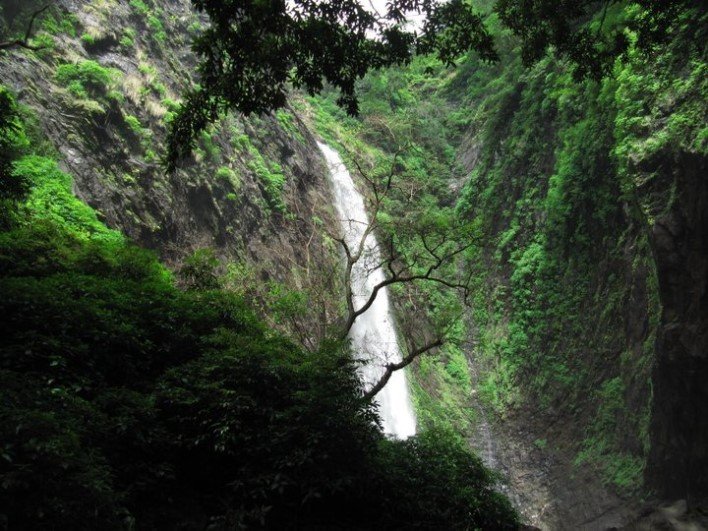
Trek Information:
- Distance: Varies depending on route (6-8 km)
- Difficulty: Moderate to challenging
- Duration: 3-4 hours one way
- Best Season: Post-monsoon (October-January)
What Makes It Magical: The combination of towering height, pristine forest surroundings, and the thunderous roar of water creates an unforgettable experience. The mist generated by the falls can be felt from a distance.
Permit Required: Yes, from forest department
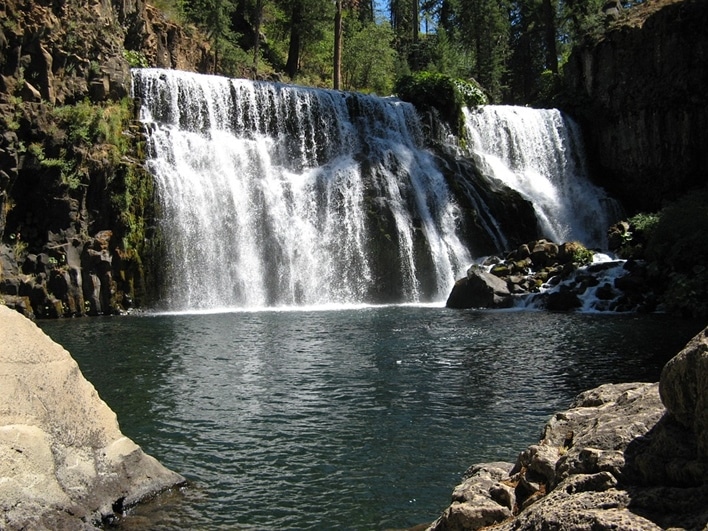
2. Kunchikal Falls: India’s Highest Waterfall
Roughly 50 kms from Agumbe on the Shimoga-Udupi border lies India’s highest waterfall—formed by river Varahi cascading from a staggering height of 455 meters (1,493 feet).
Important Information:
- Construction of Mani Dam has reduced water flow
- Now visible only during monsoon season (June-September)
- Special permission required (proximity to Hydro-Electricity project)
- Not always accessible to tourists
Planning Note: Due to restrictions and seasonal visibility, confirm accessibility before planning a visit.
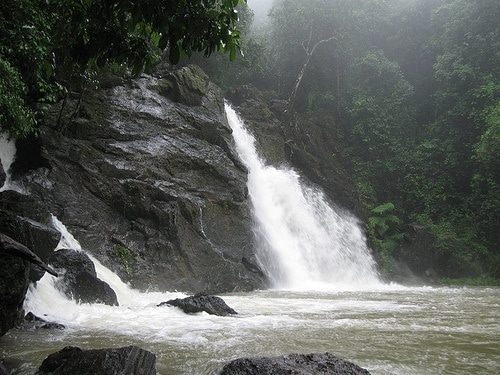
3. Jogi Gundi Falls: The Cave Waterfall
Named after saint Jogi who is believed to have meditated near these waterfalls, Jogi Gundi Falls offers a unique experience among Agumbe waterfalls.
Unique Features:
- Originates from a cave (unlike typical waterfalls)
- Forms natural pool at base
- Perfect for swimming (during safe seasons)
- Scenic forest surroundings
Access:
- Distance: 4 kms from Agumbe village
- Trek Duration: 10-15 minutes through forest trails
- Difficulty: Easy
- Best For: Families, beginners, photography
Safety Note: Exercise caution during monsoon when water flow is strong. The rocks around the falls can be extremely slippery.
4. Onake Abbi Falls: The Pestle-Shaped Cascade
Falling from a height of 500 feet, Onake Abbi Falls forms one of the highest waterfalls in the entire Western Ghats.
Name Origin: Gets its name from its long shape similar to an ‘Onake’—a long pole traditionally used to grind spices in Karnataka homes.
Trek Details:
- Distance: 8 kms from Agumbe village
- Trek Type: Scenic yet challenging
- Difficulty: Moderate to difficult
- Duration: 2-3 hours one way
- Permit Required: Yes, mandatory from forest department
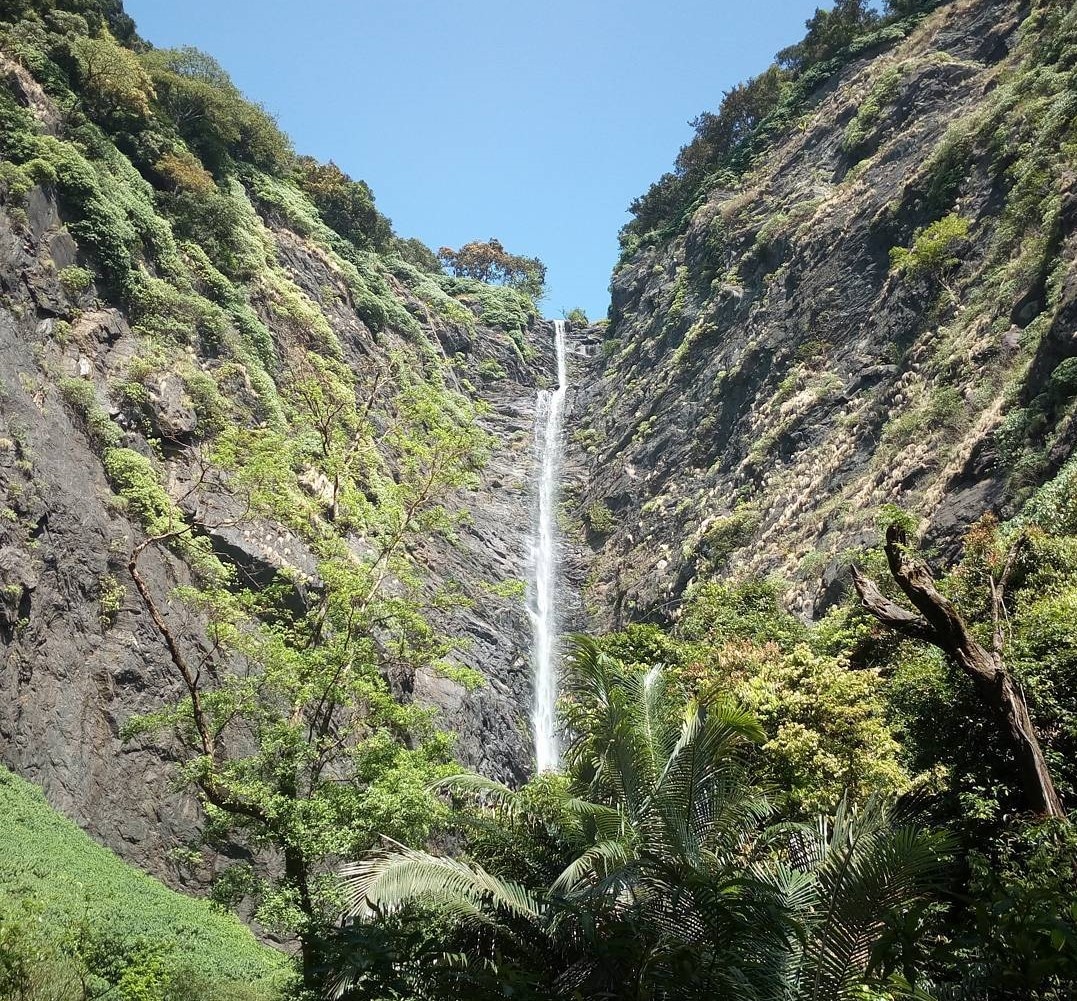
When to Visit: Best experienced during and immediately after monsoon when water flow is maximum. The sight of water cascading 500 feet through misty forest is breathtaking.
Important: Prior permission from the forest department is required. Contact the DFO Shimoga Division or Range Forest Officer Megaravalli.
5. Koodlu Theertha Falls (Sita Falls)
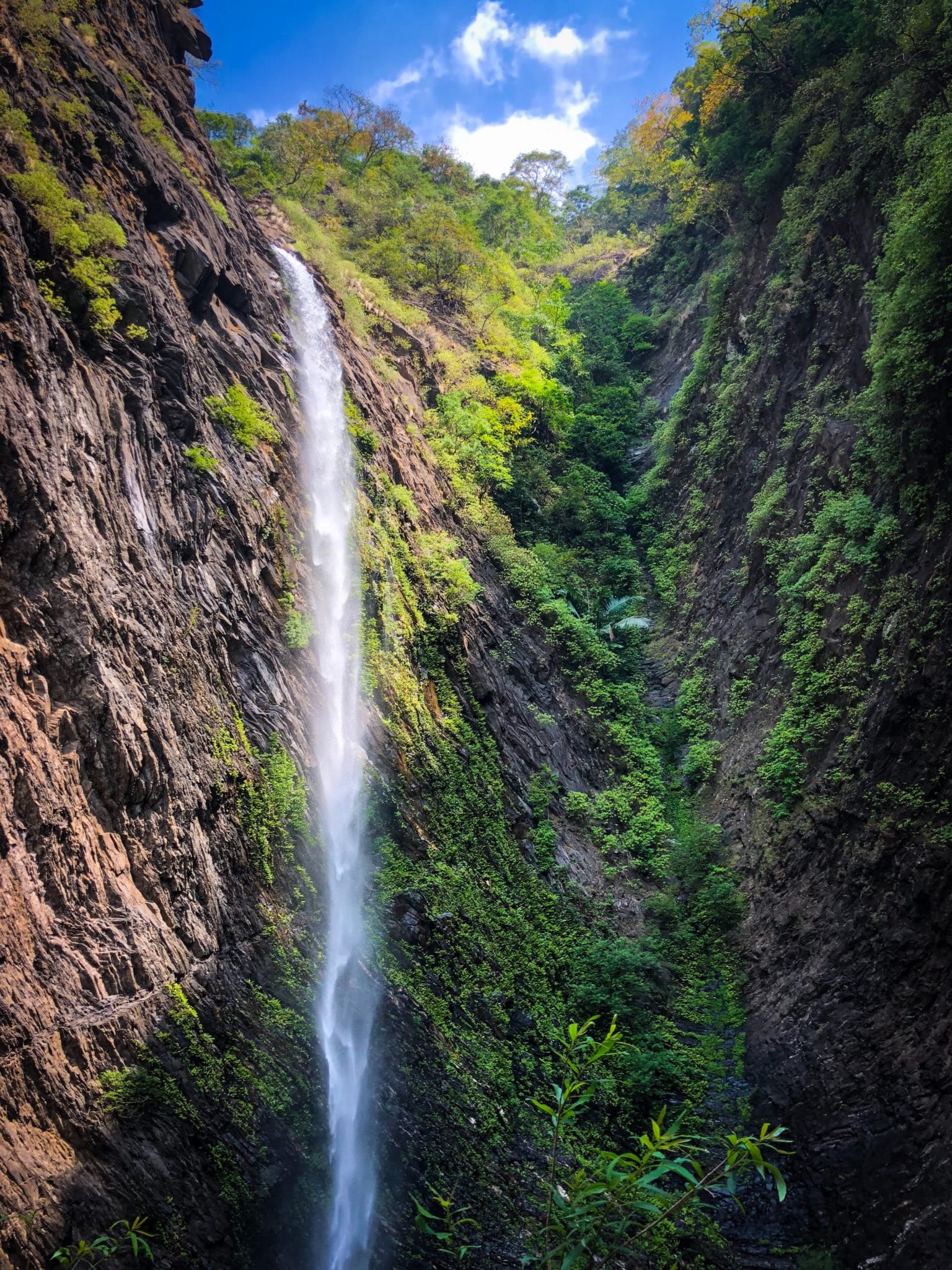
One of the most beautiful and serene waterfalls in the Agumbe region, Koodlu Theertha falls from a height of 300 feet into a natural pool.
Special Features:
- First fall of River Sita
- Also known as Sita Falls
- Stunning natural pool for swimming
- Less crowded compared to other falls
- Pristine forest surroundings
Visit Information:
- Distance: 20 kms from Agumbe village
- Trek Required: Short hike through forest
- Entry Fee: Nominal fee at forest check post
- Best Season: October to February
Offbeat Things to Do in Agumbe
Looking to go beyond typical tourist activities? These unique experiences will make your Agumbe trip plan truly special.
1. Volunteer at Agumbe Rainforest Research Station (ARRS)
For those passionate about wildlife conservation and field-based research, ARRS offers an integrated volunteer and research intern programme right at the heart of Agumbe.
What You’ll Do:
- Jungle expeditions and wildlife surveys
- Learn to set up camera traps
- Identify forest trails and animal signs
- Participate in King Cobra research
- Engage with leading conservationists
The Experience: Spend your free time stargazing, sharing forest tales, and engaging in conversations with passionate researchers—all while gaining newfound appreciation for wildlife and incredible patience.
Why It’s Special:
- Stay at the heart of Agumbe’s rainforest
- Direct conservation involvement
- Learn from experienced herpetologists
- Contribute to actual research
- Promotes eco-friendly activities and sustainable exploration
Duration: Varies from 1 week to several months
Eligibility: Open to students, researchers, nature enthusiasts
2. White Water Rafting in Sitanadi
The wild waters of the Sita River (Seetha River) in Agumbe offer the perfect opportunity for high-intensity river rafting.
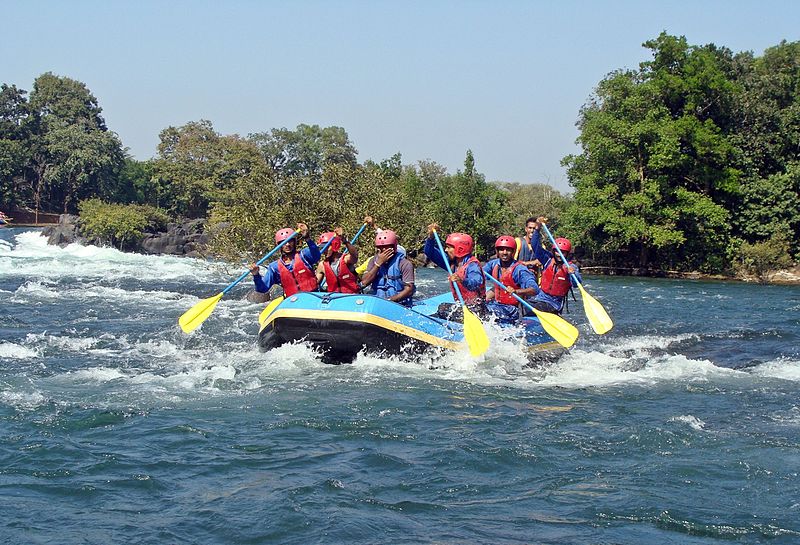
Rafting Details:
- Distance: 15 to over 30 kms
- Rapids: Mild to strong (Grade II to IV)
- Suitable For: Novice and experienced rafters
- Season: Post-monsoon (October-February)
Package Options: Many adventure travel companies offer rafting experiences usually coupled with nature camping in Someshwara Wildlife Sanctuary—making it a complete adventure package.
What to Expect: Navigate through exciting rapids, enjoy pristine river scenery, spot wildlife along riverbanks, and experience the thrill of conquering wild waters.
3. Narasimha Parvatha Trek: Summit the Tallest Peak
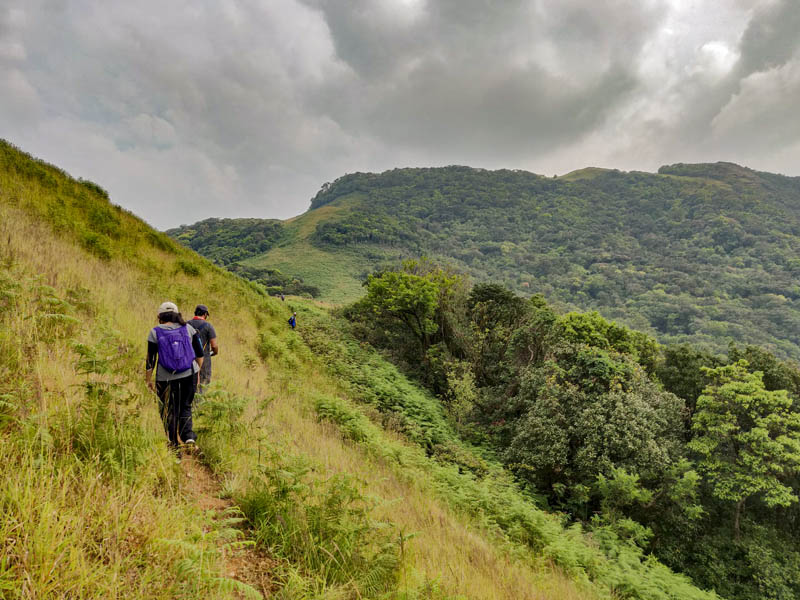
Located at a height of 3,800 feet, Narasimha Parvatha forms the tallest peak in Agumbe—offering one of the most rewarding trekking experiences.
Trek Route: Starting from Malandur village, the trail takes you through:
- Dense rainforest sections
- Vast open meadows
- Origin point of mighty Barkana Falls
- Grandiose views of Kudremukh valley from summit
Wildlife Spotting Opportunities: The Narasimha Parvatha trek offers excellent chances to spot:
- Flying lizards (native to this region)
- Various bird species
- Malabar giant squirrels
- Reptiles and amphibians
Trek Information:
- Duration: Full day (8-10 hours)
- Difficulty: Challenging
- Best Season: October to February
- Permit: Required from forest department
- Guide: Mandatory and highly recommended
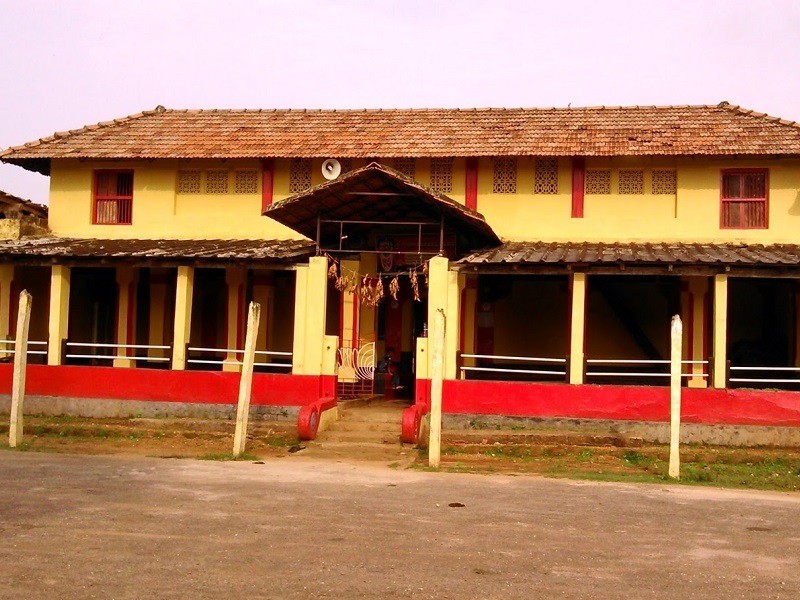
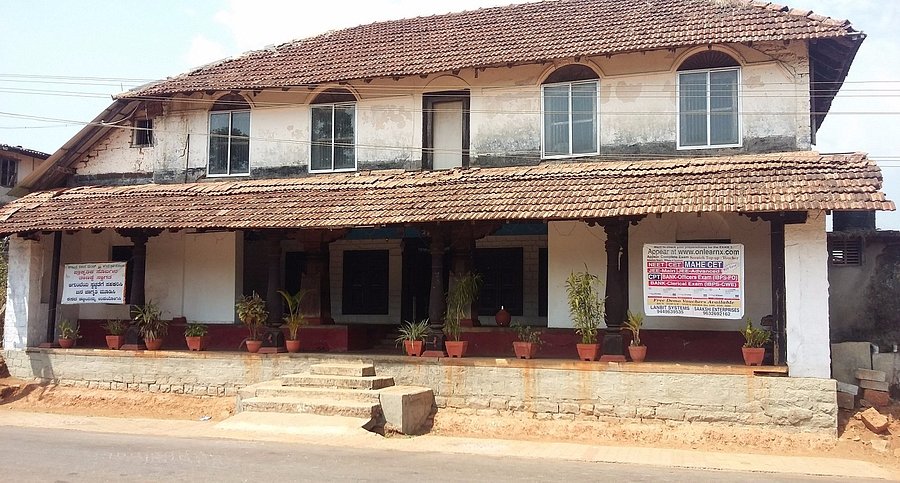
4. Visit the Malgudi Days House at Doddamane
Relive childhood memories at this heritage homestay where the iconic TV serial Malgudi Days was shot.
Experience:
- Walk through the actual filming locations
- See the house that brought R.K. Narayan’s stories to life
- Experience authentic Malnad hospitality
- Taste traditional local cuisine
Stay Option: Doddamane also functions as a heritage homestay (advance booking essential as it’s usually full)
Agumbe Itinerary: How to Plan Your Trip
2-Day Agumbe Itinerary for Nature Lovers
Day 1: Waterfalls & Viewpoints
Morning:
- 6:00 AM: Start early from accommodation
- 7:00 AM: Visit Jogi Gundi Falls (closest waterfall)
- 9:00 AM: Return for breakfast
- 10:30 AM: Drive to Kundadri Hill
Afternoon:
- 12:30 PM: Explore Kundadri temple and surroundings
- 2:00 PM: Lunch at local restaurant
- 3:30 PM: Rest at accommodation
Evening:
- 5:00 PM: Head to Sunset Point
- 6:00 PM: Watch spectacular sunset over Arabian Sea
- 7:30 PM: Dinner and overnight stay
Day 2: Trekking & Cultural Experience
Morning:
- 6:00 AM: Start trek to Onake Abbi Falls or Barkana Falls
- 12:00 PM: Return from trek
Afternoon:
- 1:00 PM: Lunch and rest
- 3:00 PM: Visit Agumbe Rainforest Research Station (if open for visitors)
- 4:30 PM: Explore Agumbe village
Evening:
- 6:00 PM: Visit Malgudi Days house at Doddamane
- 8:00 PM: Departure
3-Day Agumbe Trip Plan for Comprehensive Exploration
Add to the 2-day itinerary:
Day 3: Extended Exploration
- Morning: Narasimha Parvatha trek or visit Koodlu Theertha Falls
- Afternoon: Visit Gopalakrishna Temple at Kabbinale
- Optional: White water rafting in Sita River
Relive your childhood memories at this heritage homestay where Malgudi Days was shot. The warm hospitality of Kasturi Akka, the owner of the house combined with the authentic Malnad cuisine and Kashaya served here is bound to make you feel at home, away from home. The place is usually always booked and you will have to call and book in advance in order to confirm your stay.
Seethanadi Nature Camp
Located in the Someshwara Wildlife Sanctuary around 15 kms from Agumbe, the Seethanadi Nature Camp offers a more adventurous option for those looking to make the best of the outdoors and spend the night in the lap of nature. The camp offers stay in dormitories or tented cottages close to the river along with a variety of outdoor activities for the nature lover including nature walks, bird watching, white river rafting and more.
Agumbe Rainforest Research Station
The ARRS offers a unique opportunity to stay at the heart of Agumbe while spending time with an enthusiastic bunch of conservationists, biologists, and researchers for roommates. Around 1.5 km from Agumbe town, the research station offers basic accommodation in the form of dormitories with bunk beds. Those passionate about conservation and ecology can also volunteer at the ARRS for an in-depth understanding of the regions flora and fauna.
Kalinga Centre for Rainforest Ecology
KCRE offers a unique opportunity to experience nature in its most pristine form while gaining a deeper understanding of life in the rainforests. KCRE welcomes people to engage in direct conservation throughout the year along with an opportunity to engage with researchers who are willing to share and educate thereby taking your time in Agumbe beyond a mere rainforest experience.

The months between March to May are the summer months and is quite dry and hot. The monsoon lasts from June to September when the place receives heavy rainfall and the temperatures remain hot and humid. Although it is not advisable to visit Agumbe during monsoons because of the heavy rainfall and restrictions on trekking and other activities, this is the best season to witness Agumbe’s waterfalls in all their glory as well as for wildlife photography and herping.
How to Reach Agumbe from Bangalore & Other Cities
How to Reach Agumbe from Bangalore by Road
Distance: Approximately 360-400 kms (depending on route)
Duration: 7-9 hours
Route Options:
Route 1 (Via Shimoga): Bangalore → Tumkur → Shimoga → Thirthahalli → Agumbe
- Most common route
- Better road conditions
- Multiple food stops available
Route 2 (Via Hassan): Bangalore → Hassan (via NH 75) → Belur → Agumbe
- Scenic route
- Slightly longer but beautiful drive
Transportation Options:
- Self-Drive: Most flexible option for exploring Agumbe and surroundings
- KSRTC Buses: Direct buses available from Bangalore to Agumbe
- Private Buses: Limited options, check availability
- Cab/Taxi: Can be hired for round trip (₹8,000-12,000)
By Train
Nearest Railway Stations:
- Udupi Railway Station: 60 kms from Agumbe (closest option)
- Shimoga Railway Station: 90 kms from Agumbe
From Railway Station:
- Hire taxi (₹1,500-2,000)
- Take local bus to Agumbe
- Book cab through homestay
By Air
Nearest Airport: Mangalore International Airport (Mangaluru)
- Distance: 135 kms from Agumbe
- Duration: 3-4 hours by road
- Transport: Hire taxi from airport (₹3,000-4,000)
Alternative: Bangalore Airport (further but better connectivity)
Local Transportation in Agumbe
- Limited auto-rickshaws available
- Hiring a bike/scooter recommended for flexibility
- Most homestays arrange transportation for treks
- Walking is common for nearby attractions
and divert towards Thirthahalli or head towards Hassan via NH 75 before diverting towards Agumbe via Belur.
Best Time to Visit Agumbe
Agumbe weather remains pleasant for most of the year. However, timing your visit based on what you want to experience is crucial.
October to February: BEST TIME (Post-Monsoon & Winter)
Why It’s Ideal:
- Most scenic and green landscapes
- Mountains covered with dense fog
- Pleasant temperatures (15°C to 25°C)
- Best months for trekking
- All waterfalls flowing beautifully
- Perfect weather for outdoor activities
- Clear visibility for sunset views
Best For: Trekking, waterfall visits, photography, general sightseeing
March to May: Summer Season
Conditions:
- Dry and hot weather
- Less scenic compared to other seasons
- Limited water flow in waterfalls
- Temperatures can be uncomfortable
Best For: Budget travelers (lower accommodation rates), those avoiding crowds
June to September: Monsoon Season
Rainfall: Heavy and continuous (8,000 mm annually)
Temperatures: Hot and humid
Restrictions:
- Trekking activities often restricted
- Forest department limits access to certain areas
- Roads can be dangerous
- Leeches extremely active
Why Visit During Monsoon:
- Waterfalls in full glory
- Lush green landscapes at peak beauty
- Best for wildlife photography
- Ideal for herping (studying reptiles and amphibians)
- Fewer tourists (for those seeking solitude)
Important: Not advisable for general tourists due to heavy rainfall and restrictions
Special Events
While Agumbe doesn’t have major festivals, nearby Sringeri (28 kms) celebrates various temple festivals throughout the year.
Things to Know Before Visiting Agumbe
- If you plan to trek around Agumbe, it is required to obtain necessary permits from the DFO of the Shimoga Division or the Range Forest Officer of Megaravalli before your visit. This includes treks to some of the popular waterfalls in Agumbe including Onake Abbi Falls.
- Unless Leeches are your best friends, be well prepared for major leech attacks all around Agumbe especially during and post monsoons. Investing in a pair of good anti-leech socks or using more traditional methods including salt or a combination of coconut oil and crushed tobacco are your best bet to minimise the damage.
- Be prepared to get wet with the constant rains Agumbe is famous for. Good rain gear for yourself as well as your bags and cameras are a must at all times.
- Agumbe is home to a wide variety of denizens and as such be vary not to disturb the wildlife or trample on the fauna when on nature trails.
Essential Tips: Things to Know Before Visiting Agumbe
1. Permits & Permissions
Mandatory Permits Required For:
- Onake Abbi Falls trek
- Narasimha Parvatha trek
- Certain waterfall visits
- Forest area entry
How to Obtain:
- Contact DFO (Divisional Forest Officer), Shimoga Division
- Range Forest Officer, Megaravalli
- Some homestays assist with permit arrangements
- Apply at least 3-4 days in advance
Always follow safety guidelines provided by local guides or forest officials.
2. Leech Alert!
Unless leeches are your best friends, be well prepared for major leech attacks, especially during and post-monsoon.
Protection Methods:
- Anti-leech socks: Best investment for Agumbe (available online)
- Salt: Sprinkle on socks and shoes
- Coconut oil + crushed tobacco: Traditional method
- Closed shoes: Never wear sandals in forest
- Regular checks: Inspect legs and clothes frequently
3. Rain Gear is Mandatory
Be prepared to get wet with constant rains Agumbe is famous for.
Essential Rain Gear:
- Raincoat/Poncho: Good quality, full coverage
- Waterproof bags: For cameras, phones, documents
- Waterproof covers: For backpacks
- Sturdy trekking shoes: With good grip (water-resistant preferred)
- Extra clothes: Keep in waterproof bags
4. Respect Wildlife & Nature
Agumbe is home to wide variety of wildlife including King Cobras, various snake species, and rare reptiles.
Responsible Tourism Practices:
- Don’t disturb wildlife or their habitats
- No littering (carry all waste back)
- Don’t trample on fauna when on trails
- Maintain safe distance from animals
- No loud music in forest areas
- Respect the untouched wilderness
5. Mobile & Internet Connectivity
- Limited mobile network in Agumbe village
- BSNL works best in the region
- No reliable internet connectivity
- Download offline maps before reaching
- Inform family about limited connectivity
6. Food & Water
- Limited restaurants in Agumbe village
- Homestays provide authentic Malnad meals
- Carry snacks for treks
- Drink only bottled or filtered water
- Local cuisine is simple but delicious
7. Cash is King
- Very few ATMs in Agumbe
- Most homestays and shops accept only cash
- Nearest ATMs in Thirthahalli or other nearby towns
- Carry sufficient cash for entire trip
Conclusion: Your Agumbe Adventure Awaits
Whether you’re interested in waterfall hopping, exploring dense rainforests, volunteering at wildlife research stations, or immersing yourself in local culture, Agumbe offers a unique experience for every traveler.
This Agumbe travel guide provides everything you need to plan an Agumbe trip for nature lovers—from detailed Agumbe itinerary options to practical tips on how to reach Agumbe from Bangalore.
The combination of record-breaking rainfall, pristine biodiversity, meaningful conservation work, and authentic Malnad culture makes Agumbe one of Karnataka’s most special destinations. It’s not just a place to visit; it’s an experience that connects you deeply with nature’s rhythms and reminds you of life’s simpler pleasures.
So pack your rain gear, anti-leech socks, and sense of adventure—the Cherrapunji of South India is calling. Your Agumbe trip plan starts now!
Ready for your Agumbe adventure? Book your homestay, secure permits, and prepare for an unforgettable journey into one of India’s most biodiverse rainforests!



The way you described the local culture and attractions has truly sparked my wanderlust.
I’m grateful for the detailed itineraries you provide in your travel blog.
Thanks for sharing this agumbe tour guide with us. I really like your thoughts on this topic.